

Install Recirculating Pump Huntington Beach
Install recirculating pump in Huntington Beach is for one main goal: hot water gets to your tap faster, so you’re not standing there waiting while the line warms up. If your master bath takes forever, the kitchen runs cold at first, or the far bathroom is always last to get hot, a recirculation setup can be a clean fix—when it’s installed and controlled the right way.
Your Home First: we show up with shoe covers, protect floors and the work area, and keep things tidy while we work. Then we do a clear walkthrough with you at the end so you know what we installed, how it works, and what to watch for next.
This page is about installing a recirculating pump in Huntington Beach, not replacing your main water heater or doing a full re-pipe.
Fast Clues (Before You Scroll)
If you’re waiting 30–90 seconds for hot water at one or more fixtures, recirculation may help.
If hot water runs out fast everywhere, that’s usually a main water heater issue, not a recirc issue.
If only one sink is slow, point-of-use may be simpler; if multiple areas are slow, recirculation usually wins.
Quick Answers
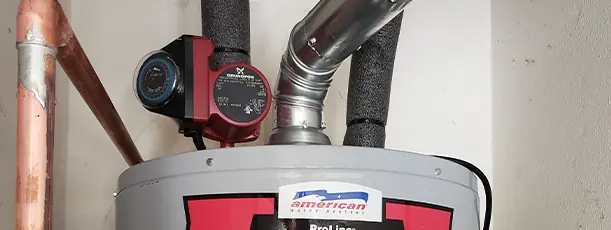
A recirculating pump moves hot water through the line so hot water arrives faster at the fixture.
The right setup depends on whether your home has a dedicated return line or needs a crossover-style solution.
Done right, it improves comfort and reduces “wait time” frustration without messing up temperature stability.
What a Recirculating Pump Does
Recirculation keeps hot water closer to where you use it by moving water through the hot line (and back through a return path). That means when you turn on the tap, you’re not waiting as long for the cold water sitting in the pipe to clear out.
Two Common Recirculation Setups
There are two ways we normally see recirculation done, and the right one depends on the plumbing layout.
- Dedicated return line recirculation: If the home already has a return line, this is usually the cleanest setup. Hot water circulates out and returns through the proper line, and control options are usually better.
- Crossover (comfort) recirculation: If there’s no return line, some systems use a crossover valve under a sink to route water back through the cold line temporarily. It can work well, but it needs correct placement and expectations so the cold line doesn’t feel warm at the wrong times.
What We Check Before Installing
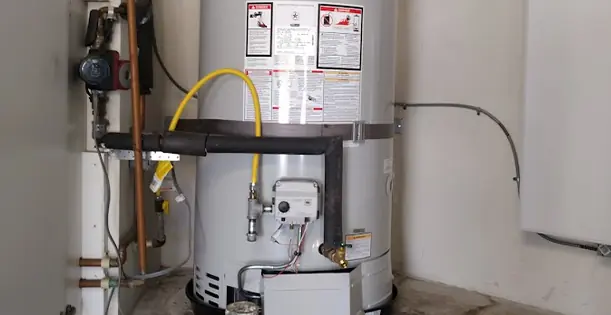
We don’t install a recirculating pump blind. We confirm the “why” first so you get the result you’re actually trying to buy.
We typically check:
- Which fixtures are slow, and how long the wait really is
- Pipe run distance and routing (where the delay is coming from)
- Whether a return line exists
- Where a crossover valve would make sense if needed
- Shut-off valve condition and access
- Existing check valves and whether backflow/ghost flow could happen
- General pressure behavior and obvious expansion/temperature issues
- Any signs of leaks or corrosion at fittings and flex connectors near the heater
Install Details That Actually Matter
Recirculation can be great, but sloppy installs create new annoyances. These are the details we focus on.
- Check valves and flow direction: Without correct check control, recirculation can backfeed and create weird temperature behavior at fixtures.
- Controls you’ll actually use: Timers and demand-style controls help keep comfort high without running the pump nonstop.
- Noise and vibration: We mount and secure the pump correctly so it doesn’t buzz through the wall or cabinet.
- Temperature stability: We set it up so you’re not chasing lukewarm cold water or unpredictable swings.
Common Problems We Prevent
- The pump is installed in the wrong place, so the wait time barely improves
- The cold line stays warm too often (common with crossover systems done wrong)
- Short-cycling or constant running because controls weren’t matched to your routine
- Noisy operation from mounting issues or trapped air
- Leaks at connections because valves and fittings weren’t addressed during install
Need a Local Plumber In Huntington Beach?

Professional Plumbing provides free inspections for current homeowners during business hours. A small fee applies for homes in escrow or for sale; this fee can be credited toward repair costs if we’re hired.
Huntington Beach Notes
In Huntington Beach, a lot of water heaters sit in the garage while the far bathroom is on the other side of the house, so you end up waiting for the line to warm up. That’s exactly the kind of layout recirculation helps.
Service Area
We work throughout Huntington Beach, including Huntington Harbour, Seacliff, Bolsa Chica, and neighborhoods around Slater + Goldenwest.
Online Booking + Contact
Book online: https://profplumbinc.com/huntington-beach-plumber/book-online/
Call: (657) 272-7713
Address: 9631 Sailfish Dr, Huntington Beach, CA 92646
Hours: Mon–Sat 8am–5pm (Emergency service available 24/7)
Install Recirculating Pump FAQs
It usually makes hot water much faster, but “instant” depends on pipe length and the setup. With correct placement and controls, wait time can drop a lot. We’ll set expectations based on your plumbing run so you’re not guessing.
A return-line system uses a dedicated return pipe to bring water back, which is often the cleanest design. A crossover system uses a valve under a sink to route water back through the cold line temporarily. Both can work, but crossover needs correct placement and check control.
It often saves water because you’re not running the tap as long waiting for hot water. It can increase energy use if it runs nonstop, which is why timers or demand-style controls matter. We set it up so comfort improves without unnecessary run time.
Many installs are done in one visit, often a few hours, depending on access and whether a crossover valve is needed. If we find valve issues, leaks, or layout problems, we’ll explain options before moving forward.
Some homeowners try, but the common DIY problems are wrong flow direction, missing check control, noisy mounting, and leaks at connections. The result can be warm cold lines or temperature swings. If you DIY, getting the valve and check setup right is the whole game.
That’s common with crossover setups if placement or check control isn’t right. The pump can move warmth into the cold line if the system isn’t balanced. We install it to minimize that behavior and keep the house feeling normal.
No. Pressure problems usually come from restrictions, older valves, partially blocked lines, or fixture issues. Recirculation moves water through the line; it doesn’t increase supply pressure. We can check both, but they’re different fixes.
They’re usually low-maintenance, but they can develop noise, air issues, or check valve problems over time. If you notice longer wait times again or new sounds, a quick check can usually pinpoint why.