


Replace Main Water Shut Off in Huntington Beach
A failing main water shut-off in Huntington Beach can affect your entire home. When the valve sticks, leaks, or won’t fully stop water flow, it puts every fixture and appliance at risk and makes plumbing repairs more difficult.
Our team begins with a clear evaluation of your existing shut-off valve and explains replacement options without pressure. The focus is on restoring reliable control at your home’s water entry point so service and emergencies can be handled safely.
Replacing the main water shut-off improves reliability, accessibility, and proper operation. If your valve is hard to turn or doesn’t completely stop water, a professional assessment can determine whether replacement is the right solution.
Service Explainer
- Main water shut-off definition explained: This valve controls incoming water flow into the home’s plumbing system.
- Typical shut-off valve location noted: It is commonly positioned where the main water line enters.
- Purpose during repairs emphasized: The valve is used for emergencies, maintenance, and plumbing service work.
- Aging shut-off valves fail: Internal components can seize or wear, preventing complete closure when needed.
- Replacement restores control safely: A new valve enables smooth shutoff, supporting reliable plumbing operation and safer maintenance.
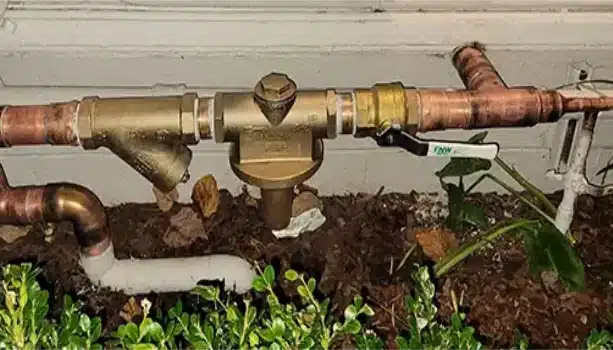
When Main Water Shut Off Replacement Is Recommended
- Sticking or hard-to-turn shutoff valves signal replacement: Limited movement prevents dependable emergency water control access.
- Leaks around valve stems indicate deterioration: Moisture loss worsens gradually and often remains unnoticed indoors.
- Valves failing to stop water completely require replacement: Partial shutoffs increase damage risks significantly during.
- Huntington Beach homes discuss shutoff replacement during evaluations: Especially when planned supply work begins locally.
- Professional inspections confirm serviceability or replacement necessity: Updated valves restore dependable water control confidence to homeowners.

How Main Water Shut Off Replacement Works
- On-site evaluations start the process: Technicians identify affected sections, causes, and confirm the replacement scope accurately.
- Planning follows evaluation findings: Access points, pipe routing, and surrounding connection conditions guide strategy decisions.
- Failed sewer pipe sections are removed or bypassed: This clears space for proper new installation.
- New piping is installed and securely connected: Integration with the home’s drain system ensures flow.
- The sewer line undergoes testing after installation: Steady flow and drainage performance are confirmed fully.
- Restoration completes the replacement process: Excavated areas are repaired, returning normal system use safely and promptly.
One Local Scenario
A Huntington Beach homeowner attempts to shut off water for a minor repair but discovers the main valve will not close fully.
Evaluation reveals internal valve wear, so replacement restores reliable control and allows future maintenance to proceed safely and efficiently without unexpected water emergencies or costly damage later occurring.
DIY Mistakes
- Forcing a stuck valve: Some homeowners force a stuck valve, which can damage the stem or cause leaks, worsening problems.
- Excessive pressure issues: Applying too much pressure often makes valve problems worse instead of restoring proper function reliably.
- Assuming a partial function is enough: Believing a partially working valve is sufficient can create risks during future plumbing repairs.
- Increased supply hazards: Valves that don’t fully stop water can complicate maintenance and increase hazards within the home plumbing system.
Need a Local Plumber In Huntington Beach?

Professional Plumbing provides free inspections for current homeowners during business hours. A small fee applies for homes in escrow or for sale; this fee can be credited toward repair costs if we’re hired.
Helpful Table
| Issue noticed | What it suggests | What replacement addresses |
| Valve hard to turn | Internal wear or corrosion | Restores smooth operation |
| Water still flows when valve is closed | Valve not sealing | Provides full shutoff |
| Leaks at valve stem | Failing internal components | Replaces worn parts entirely |
| Limited access or outdated valve | Poor serviceability | Improves control and access |
Scheduling Main Water Shut Off Replacement
Homeowners in Huntington Beach can get a main water shut-off replacement to maintain reliable control over their water supply.
If your valve is hard to operate or isn’t working properly, scheduling a professional evaluation can determine the best next step and restore dependable, smooth operation throughout your home’s plumbing system.
To schedule a consultation, call the Huntington Beach plumbing team at (657) 272-7713.
Frequently Asked Questions
The main water shut off is the primary valve that controls water entering a home’s plumbing system. When closed, it stops water from flowing to all fixtures and appliances. This valve is used during repairs, maintenance, or when a supply issue occurs. Because it affects the entire system, reliable operation is important for safe plumbing service and everyday control.
You may need replacement if the valve is difficult to turn, leaks around the handle or stem, or does not fully stop water flow. These symptoms indicate internal wear or sealing failure. A valve that only partially works can still allow water into the system, making repairs harder. An evaluation confirms whether replacement is the appropriate solution.
During replacement, the plumber identifies the existing valve, confirms access, and plans the connection method. The old valve is removed and a new shut off valve is installed in its place. After installation, the valve is tested to ensure it opens and closes smoothly and fully stops water flow before the system is returned to normal use.
Preparation typically involves clearing access to the valve location and planning for a temporary water shutoff during the work. If you know where the valve is located, sharing that information can help. Your plumber will explain access needs and what to expect based on the valve’s placement and connection.
Shut off valves can fail due to age, mineral buildup, corrosion, or internal component wear. Over time, these factors can prevent the valve from sealing properly or turning smoothly. Environmental conditions and infrequent use can also contribute to valve stiffness or failure.
After replacement, the new valve should operate smoothly and stop water flow completely when closed. This makes future plumbing work safer and easier to manage. The plumbing system should return to normal operation once testing is complete, with improved control at the water entry point.