


Clogged Drain Repair Huntington Beach
Clogged drain repair in Huntington Beach is for when the drain keeps slowing down, backing up, or “sort of works” but never stays clear. If the kitchen sink gurgles, the shower turns into a mini pool, or a bathroom sink keeps coming back after you’ve tried store-bought drain cleaner, you’re in the right place.
Your Home First: we show up with shoe covers, protect floors and the work area, and keep the space clean while we work. Then we do a quick walkthrough with you at the end so you know what was clogging the line, what we did to clear it, and what to watch for next.
This page is about clogged drain repair in Huntington Beach, not sewer line replacement or full plumbing remodel work.
Fast Clues (Before You Scroll)
If one fixture is slow, the clog is usually close to that drain.
If multiple fixtures back up at once, the clog may be farther down the branch line or main line.
If you smell sewer gas or hear constant gurgling, the drain may not be venting right or the trap is getting pulled.
Quick Answers
Most clogged drains are repairable the same day once we confirm the clog location and the best clearing method.
We avoid guesswork by checking symptoms, flow direction, and what’s actually in the line before we “just snake it.”
If a clog keeps returning, the real issue is often buildup, a belly/sag, roots, a damaged section, or the wrong clearing method for that line.
What Counts as “Clogged Drain Repair”
This is the practical work that gets your drain working again and helps keep it that way:
- Clearing clogs in sinks, tubs, showers, toilets, laundry drains, and floor drains
- Clearing branch line stoppages (one area of the house)
- Identifying what’s causing repeat clogs (grease, hair, wipes, scale, roots, pipe damage)
- Resetting proper flow and testing the drain after clearing
If it looks like the issue is deeper or structural, we’ll explain what we’re seeing and what the next step would be (like a sewer camera inspection). No pressure, just clear options.
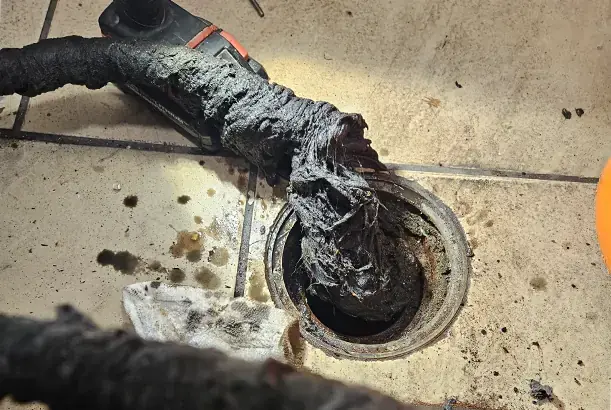
Common Symptoms and What They Usually Mean
- Slow drain: buildup forming on the pipe walls or a partial blockage
- Gurgling: air getting trapped, partial blockage, or vent/trap issues
- Water backing up into a tub or shower: the branch line is restricted downstream
- “Works, then stops again”: the clog wasn’t fully cleared or the pipe has a deeper issue
- Bad smells: organic buildup in the line, a dry trap, or drain ventilation problems
- Toilet bubbles when a sink drains: restriction farther down the branch line
What We Do First (Before We Clear Anything)
We start with a quick, practical check so the clearing method matches the problem.
- Which fixtures are affected (one drain vs multiple)
- How fast it backs up and what it backs up with (clear water, dirty water, food/grease)
- Where the cleanout access is (if present)
- Whether the issue looks like a simple trap/branch clog or a deeper line restriction
- Whether a camera makes sense right away (repeat clogs, multiple fixtures, unknown history)
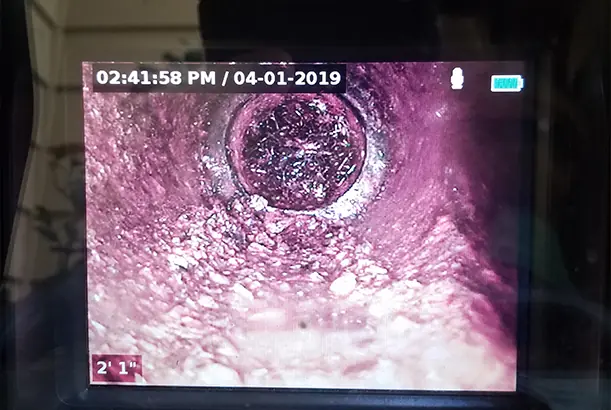
Clog Removal Methods We Use
We pick the method based on the line type, clog type, and risk of damage.
- Cable drain machine (snaking)
Good for pulling or breaking through common clogs like hair, paper buildup, and soft blockages. - Hydro-jetting (when buildup is the issue)
Best when the pipe walls are coated with grease, sludge, or heavy buildup and you need a full clean instead of a hole punched through the clog. - Targeted trap or branch clearing
Sometimes the clog is right where you’d expect—trap, short branch, or the first turn—so we clear it cleanly and test immediately. - Camera inspection (when the clog keeps coming back)
If you’ve cleared it before and it returns, a sewer line video inspection can show whether you’re dealing with roots, a belly, or a damaged section.
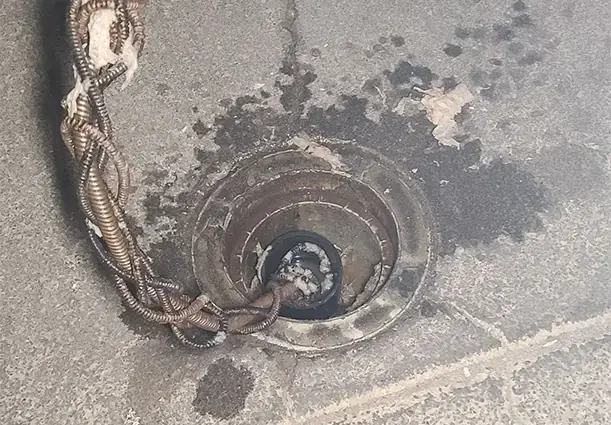
Why Clogs Come Back
A lot of “clog repairs” fail because the line never gets fully restored.
Common reasons a clog returns:
- Grease buildup that snaking doesn’t remove from the pipe walls
- Hair and soap scum layered in a shower line
- Wipes and paper catching at a rough spot or offset
- Scale/mineral buildup narrowing the pipe over time
- Roots entering a line (usually farther out, but it happens)
- A sag (belly) holding water and debris
- A damaged section that keeps grabbing material
We’ll tell you what we think is happening and give you a couple options based on what we can actually confirm.
Huntington Beach Notes
In Huntington Beach, we see a lot of repeat clogs from kitchen grease and older drain lines that have buildup on the walls. We also see shower and tub lines that slowly narrow from hair and soap scum—especially in busy households near Beach Blvd, Slater, and Goldenwest where fixtures get used hard every day.
Need a Local Plumber In Huntington Beach?

Professional Plumbing provides free inspections for current homeowners during business hours. A small fee applies for homes in escrow or for sale; this fee can be credited toward repair costs if we’re hired.
Service Area
We work throughout Huntington Beach, including Huntington Harbour, Seacliff, Bolsa Chica, and neighborhoods around Slater + Goldenwest.
Online Booking + Contact
Book online: https://profplumbinc.com/huntington-beach-plumber/book-online/
Call: (657) 272-7713
Address: 9631 Sailfish Dr, Huntington Beach, CA 92646
Hours: Mon–Sat 8am–5pm (Emergency service available 24/7)
Clogged Drain Repair FAQs
If only one sink or shower is slow, it’s usually close to that fixture. If multiple fixtures back up or you see water coming up in a tub when a toilet flushes, the restriction is often farther downstream. We confirm by checking which fixtures are affected and how the system reacts when water runs.
It’s usually better not to. Many drain cleaners don’t remove the real buildup and they can be rough on older piping and fixtures. They also make the job messier and riskier if we need to open the line. If you already used one, tell us—so we can work safely around it.
Snaking can open a path, but it doesn’t always clean the pipe walls. Grease, soap scum, and sludge can stay behind and grab material again. If clogs keep returning, a deeper clean (like hydro-jetting) or a camera inspection is often the next smart step.
Not always. Cleanouts help and can make clearing faster, but many clogs can be addressed through the fixture access or trap area depending on the line. If access is limited, we’ll explain the cleanest way to reach the clog without damaging finishes.
The fastest method depends on what the clog is and where it sits. Hair clogs often clear quickly with the right cable tool. Grease and heavy buildup usually need a different approach so the drain stays clear. We choose based on results, not habits.
When used correctly, hydro-jetting is safe for many drain lines and it’s one of the best ways to remove wall buildup. The key is using the right pressure and nozzle for the pipe condition. If a line is already fragile or damaged, we’ll tell you before recommending it.
Many clogged drain repairs are handled in one visit, often within an hour or two, depending on access and the clog type. Repeat clogs or deeper restrictions can take longer, especially if a camera inspection becomes the best next step.
Stop running water to that fixture and don’t keep trying to force it through. If multiple fixtures are affected, avoid using the system until it’s cleared so you don’t overflow somewhere else. If there’s standing water, we can guide you on the cleanest way to limit mess until we arrive.