


Water Leak Detection Huntington Beach
Water leak detection in Huntington Beach is used when a plumbing leak is suspected but cannot be found by sight alone. Leaks may hide behind walls, under floors, or beneath concrete slabs, causing moisture problems or unusual water use without clear warning signs.
Accurately locating the source is essential before deciding how repairs should be handled. Our team is chosen because we focus on diagnosing the problem first, rather than immediately recommending corrective work or invasive access.
This service identifies where water escapes, helping avoid unnecessary damage and supporting precise repair planning when concealed leaks are suspected present.
Service Explainer
- Identifies hidden leaks: Uses diagnostic techniques to locate water escaping from concealed plumbing lines within walls, floors, or structures accurately.
- Applies testing methods: Includes pressure testing, system isolation, and evaluations chosen based on visible symptoms and system behavior.
- Minimizes property damage: Focuses on precise detection to avoid unnecessary cutting, drilling, or exploratory demolition during repairs.
- Improves repair efficiency: Provides exact leak locations so plumbers can perform targeted, time-saving, and cost-effective repairs.
- Prevents future issues: Early and accurate detection helps reduce water loss, structural damage, mold growth, and recurring plumbing problems.

When Water Leak Detection Is Appropriate
- Identifies hidden leaks: Uses specialized tools to locate concealed water leaks without damaging walls, floors, or finished surfaces.
- Prevents ongoing damage: Early detection helps reduce structural deterioration, mold growth, and recurring moisture problems inside the home.
- Targets unexplained moisture: Ideal for damp spots, rising humidity, or increased water bills with no visible leak source.
- Supports slab foundations: Commonly used in slab or hard-to-access plumbing systems where visual inspection is limited.
- Guides repair decisions: In Oak View and Seacliff homes, evaluations confirm detection needs before opening walls or flooring.
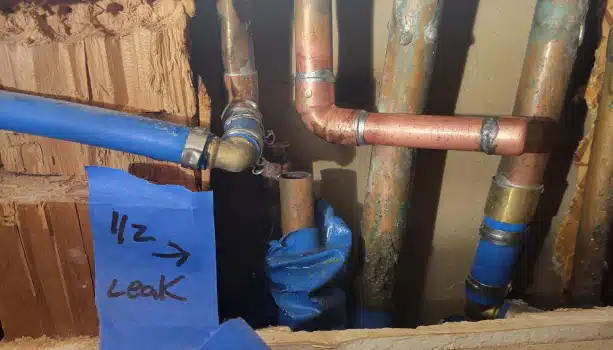
How Water Leak Detection Works
- Initial system review: Reported symptoms are evaluated and specific plumbing sections are isolated for focused inspection.
- Diagnostic testing: Specialized tests are conducted to detect pressure changes or indicators commonly associated with leaks.
- Data evaluation: Test results are carefully analyzed to narrow down the most probable leak location.
- Issue identification: The exact problem area is confirmed using verified findings rather than assumptions.
- Clear explanation: Findings are explained clearly so appropriate repair options can be discussed and planned.
One Local Scenario
A homeowner in Adams notices moisture returning along a hallway wall, even after a prior repair. Concern grows as dampness reappears, suggesting an unresolved plumbing issue hidden behind finished surfaces.
Water leak detection pinpoints a concealed supply line inside the wall cavity, allowing a precise repair plan without unnecessary demolition or disruption to the home.
DIY Mistakes
- Avoids unnecessary wall damage: Relying only on surface stains to open walls often causes damage without identifying the true leak source.
- Identifies hidden leak sources: Professional detection methods trace moisture paths accurately instead of guessing based on visible marks.
- Prevents recurring moisture issues: Ignoring the real source allows water problems to continue despite repeated surface-level repairs.
- Stops small leaks from worsening: Minor leaks rarely fix themselves and often expand when left unaddressed.
- Saves time and repair costs: Proper diagnosis reduces repeated repairs, material waste, and long-term structural damage.
Need a Local Plumber In Huntington Beach?

Professional Plumbing provides free inspections for current homeowners during business hours. A small fee applies for homes in escrow or for sale; this fee can be credited toward repair costs if we’re hired.
Helpful Table
| Symptom | What it may suggest | How detection helps |
| Recurring damp areas | Hidden pipe leak | Confirms source location |
| Unexplained water use | Undetected system leak | Identifies affected section |
| Staining without damage | Concealed moisture path | Narrows leak origin |
| Previous repair failed | Misdiagnosed issue | Verifies correct location |
Scheduling Water Leak Detection
Water leak detection is available to homeowners across Huntington Beach, including neighborhoods near Central Park Huntington Beach and Goldenwest, and surrounding coastal communities. Services are available.
If you suspect a hidden plumbing leak, scheduling a professional evaluation helps pinpoint the problem accurately before planning efficient, cost-effective repairs and prevents further damage.
Frequently Asked Questions
You may need water leak detection if you notice unexplained increases in your water bill, damp areas on walls or floors, reduced water pressure, or the sound of running water when fixtures are off. Some leaks are hidden and do not cause immediate visible damage. Professional detection helps confirm whether a leak is present.
A suspected water leak can be urgent if water is actively flowing, pressure drops suddenly, or moisture is spreading to walls, floors, or ceilings. In some situations, shutting off the water may be necessary. Prompt evaluation helps prevent further damage while determining the appropriate next steps.
Hidden plumbing leaks can be caused by pipe corrosion, loose fittings, aging materials, or movement within walls and floors. Temperature changes and water chemistry can also contribute over time. Identifying the cause helps guide accurate detection and repair planning.
During a water leak detection appointment, the plumber uses specialized equipment to locate leaks without unnecessary damage. This may include acoustic listening devices, pressure testing, or thermal tools. The findings are explained clearly before any repair options are discussed.
Before water leak detection, note any symptoms you’ve observed and provide clear access to the home. Avoid using water unless instructed otherwise. These steps help ensure accurate testing and efficient detection.
A water leak is confirmed through testing that verifies active water loss and identifies the leak location. The plumber explains how the leak was detected and reviews the findings before recommending repairs. This allows homeowners to make informed decisions before authorizing work.