


Water Line Reroutes Huntington Beach
Water line reroutes in Huntington Beach are used when an existing water line needs to be moved. This helps improve water flow, system performance, and access for repairs. Rerouting is often needed when the current line runs through hard-to-reach areas or has recurring issues.
Homeowners choose reroutes because the service improves how water moves through the home, not just fixing leaks. The process begins with inspecting the current line and explaining why a new route may work better.
Rerouting creates a new pathway for the supply line while keeping connections intact. If access or supply problems exist, an assessment can determine if a reroute is needed.
Service Explainer
- Removes Failed Sewer Piping: Damaged or deteriorated sections are fully removed. New pipes are installed to restore structural integrity and prevent recurring sewer issues.
- Water Line Reroute: The water supply line is redirected along a new path. This avoids hard-to-access areas, slab foundations, or confined spaces.
- Purpose of Reroutes: Rerouting is done when leaks occur in difficult locations or future access is a concern.
- Benefits of New Routing: The new path ensures proper water pressure and flow. It reduces the risk of repeated disruptions from the original line and improves long-term reliability.
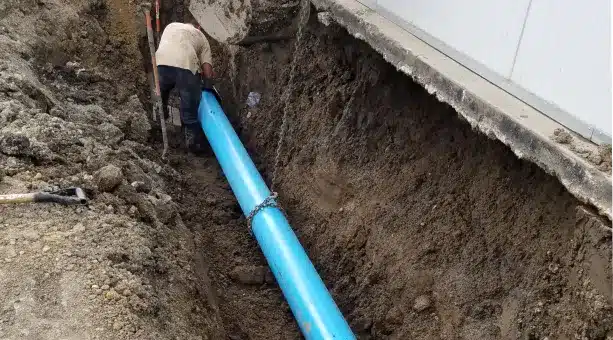
When Water Line Reroutes Are Considered
- Removes Failed Sewer Piping: Damaged or deteriorated sections are removed and replaced with new pipe to restore the sewer system’s integrity and prevent recurring issues.
- Water Line Reroutes: Reroutes are considered when repairs require repeated access to the same problem area.
- Limited Access Areas: This includes lines under slabs, through walls, or near areas prone to damage.
- Long-Term Solutions: Homeowners often prefer rerouting for a practical, lasting fix instead of repeated repairs.
- Evaluation Process: Professionals assess if rerouting is appropriate and determine the best placement for the new line.
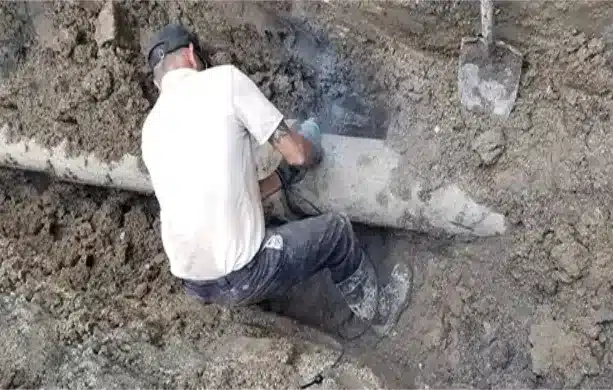
How Water Line Reroutes Work
- Locate Problem Section: The process starts with locating the existing water line and identifying the problematic section. Plumbers examine the layout carefully.
- Evaluate Alternatives: Potential rerouting options are considered to improve access, reliability, and long-term performance of the water system.
- Install Replacement Line: A new water line is laid along the planned route. Connections are made to integrate the replacement seamlessly with the existing plumbing.
- Test and Verify: The original section is isolated as needed. The new line undergoes thorough testing to confirm proper pressure, stable flow, and full operational reliability before resuming regular use.
One Local Scenario
A homeowner in Huntington Beach experiences repeated supply-line leaks beneath a concrete slab. Rather than continuing repairs in the same location, a water line reroute is recommended. The new line is routed through an accessible area, reducing future disruption and restoring dependable water delivery throughout the home.
DIY Mistakes
- Prevents repeated repairs: Fixing the root cause avoids patching the same water line section repeatedly, reducing future failures and unnecessary disruptions.
- Maintains water pressure: Properly planned reroutes preserve balanced flow and reliable pressure throughout the system without performance loss.
- Improves system reliability: Replacing problem sections strengthens the network and minimizes recurring leaks or weak points.
- Enhances accessibility: Rerouted lines allow easier access for maintenance, inspections, and future upgrades.
- Reduces long-term costs: Addressing failures properly reduces repair frequency, labor costs, and service interruptions while improving system efficiency and extending operational lifespan.
Need a Local Plumber In Huntington Beach?

Professional Plumbing provides free inspections for current homeowners during business hours. A small fee applies for homes in escrow or for sale; this fee can be credited toward repair costs if we’re hired.
Helpful Table
| Situation | What it suggests | How a reroute helps |
| Repeated leaks in the same area | Poor or risky line placement | Moves the line to a safer route |
| Hard-to-access supply line | Limited repair access | Improves future serviceability |
| Ongoing supply disruptions | Routing-related stress | Creates a more stable pathway |
| Concerns about future repairs | Long-term maintenance issues | Reduces need for invasive access |
Scheduling Water Line Reroutes
Water line reroutes are available for Huntington Beach homeowners seeking a more practical, reliable supply configuration.
Recurring leaks, aging pipes, or access challenges may indicate that rerouting could be a smart solution.
Scheduling a professional evaluation helps clarify options, costs, and next steps before moving forward confidently with your property.
Frequently Asked Questions
A water line reroute is a plumbing service that changes the path of an existing water supply line to improve access, reliability, or long-term performance. Instead of continuing to use a problematic route, a new line is installed along a more suitable path. This helps reduce repeated repairs in difficult locations and supports consistent water delivery throughout the home.
A reroute may be appropriate if the same section of supply line keeps leaking, if the line runs through a hard-to-access area, or if repairs would require repeated invasive work. These situations suggest the current routing is not ideal. A professional evaluation helps determine whether rerouting would provide a more practical long-term solution.
During a water line reroute, the plumber evaluates the existing line and identifies a better path for the new supply line. The new line is installed along the updated route and connected to the plumbing system. The original section is isolated if necessary, and the new line is tested to ensure stable pressure and proper operation before normal use resumes.
Preparation usually involves clearing access to areas where the new line will be installed and discussing water usage expectations during the work. Temporary water shutoff may be required at certain stages. Sharing details about past leaks or access challenges can also help guide planning for the reroute.
Water lines may need rerouting due to repeated leaks in the same location, routing beneath slabs or confined spaces, or exposure to conditions that increase wear. Over time, these factors can make repairs impractical. Rerouting addresses the underlying access or placement issue rather than continuing to fix symptoms.
After a reroute, homeowners typically have a more accessible and reliable water supply line. Water pressure and flow should remain consistent, and future maintenance is usually easier because the line is no longer located in a problematic area. Once testing is complete, the plumbing system should function normally with reduced risk of recurring supply-line issues.