


Electronic Leak Detection Huntington Beach
Electronic leak detection in Huntington Beach is used when a plumbing leak is suspected but cannot be identified through visual inspection alone.
Hidden leaks often develop behind walls, beneath flooring, or under concrete slabs, leading to persistent moisture problems, pressure fluctuations, or unexplained increases in water usage.
Accurately identifying the source is a critical first step before any repair decisions are made, helping prevent unnecessary damage and misdirected work.
Homeowners choose our team because we rely on proven diagnostic methods, not assumptions. This service focuses solely on locating the leak, limiting disruption, and enabling precise, informed repair planning when concealed leak indicators are present.
Service Explainer
- Specialized detection equipment pinpoints leaks: Advanced tools analyze pressurized systems to detect escaping water accurately.
- Listening devices reveal hidden leaks: Acoustic signals trace water movement inside pipes without invasive access.
- Pressure analysis identifies irregularities: Monitoring system pressure highlights leaks that visual inspection cannot locate effectively.
- Non-invasive methods protect finished spaces: Walls and floors remain intact while diagnostics determine leak position.
- Accurate location supports smarter repairs: Precise findings reduce demolition and allow efficient repair planning decisions.
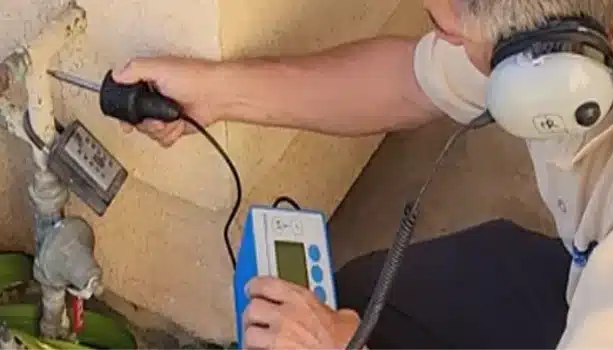
When Electronic Leak Detection Is Appropriate
- Unclear leak symptoms persist: Moisture, pressure fluctuations, or unexplained issues indicate a concealed plumbing problem.
- Recurring repairs fail to resolve problems: Repeated fixes suggest the true leak source remains unidentified.
- Finished interiors limit visual access: Detection is ideal when walls, floors, or ceilings conceal plumbing.
- Slab foundations complicate diagnosis: Homes built on concrete often require non-invasive electronic evaluation methods expertise.
- Neighborhood-specific conditions matter: Areas like Seacliff and Adams frequently benefit from precise diagnostic assessment services.
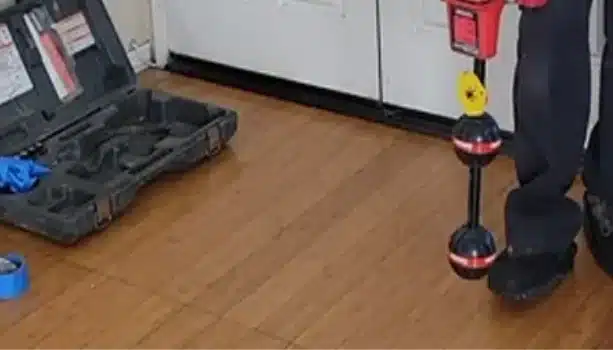
How Electronic Leak Detection Works
- Initial assessment reviews symptoms carefully: Plumbing sections are isolated to focus testing and improve accuracy.
- Detection equipment is applied strategically: Specialized tools sense signals created by water escaping pipes inside.
- Readings are gathered and compared methodically: Data patterns help narrow the most likely leak location.
- Analysis replaces assumptions entirely: Accurate findings prevent guesswork and reduce unnecessary exploratory damage repair efforts.
- Results are clearly explained to homeowners: Repair discussions proceed using verified information and confidence only.
One Local Scenario
A homeowner in Oak View notices persistent dampness near an interior wall, yet no visible plumbing leak can be found anywhere.
Electronic leak detection traces the issue to a concealed supply line, enabling a targeted repair plan without opening unnecessary areas or causing avoidable disruption, and confirms the exact source efficiently.
DIY Mistakes
- Opening walls based on surface symptoms: This causes unnecessary damage while the leak remains undiscovered.
- Guessing leak locations without testing: Random exploration wastes time, increases costs, and misses the source.
- Relying on temporary fixes alone: Surface repairs may hide symptoms, but never confirm leak origin.
- Skipping accurate detection steps: Repairs risk addressing the wrong problem, leading to repeated failures later.
Need a Local Plumber In Huntington Beach?

Professional Plumbing provides free inspections for current homeowners during business hours. A small fee applies for homes in escrow or for sale; this fee can be credited toward repair costs if we’re hired.
Helpful Table
| Symptom | What it may indicate | How detection helps |
| Unexplained moisture | Hidden supply or drain leak | Pinpoints leak location |
| Pressure changes | Concealed pipe issue | Identifies affected section |
| Repeated leak repairs | Misidentified source | Confirms true origin |
| Finished surfaces | Limited visual access | Reduces unnecessary access |
Scheduling Electronic Leak Detection
Electronic leak detection is available to homeowners across Huntington Beach, including areas near Central Park Huntington Beach and Goldenwest.
When a hidden plumbing leak is suspected, scheduling an evaluation allows the source to be identified before any repair planning or invasive work begins, preventing unnecessary disruption and misdirected repairs. Connect with experts anytime for Huntington Beach electronic leak detection at (657) 272-7713.
Frequently Asked Questions
Electronic leak detection is a diagnostic service used to locate hidden plumbing leaks using specialized instruments. Depending on the situation, tools may detect acoustic signals, pressure changes, or other indicators associated with water escaping from pressurized piping. The goal is to pinpoint the most likely leak location before any repair work begins. This helps reduce guesswork and limits unnecessary opening of walls, floors, or other finished surfaces when a leak source isn’t visible.
You may need electronic leak detection when you suspect a leak but cannot see where it is coming from. Common reasons include unexplained moisture, recurring dampness, unexpected pressure changes, or a persistent issue that was not resolved by a previous repair. Because hidden leaks can occur behind walls, under floors, or in other concealed areas, an evaluation can help determine whether electronic detection is the best method to locate the source accurately.
Electronic leak detection identifies where a leak is most likely located, while leak repair fixes the damaged pipe or connection. Detection is a diagnostic step that provides information used to plan the repair approach and access point. Repair involves correcting the plumbing failure, testing the repaired line, and restoring normal operation. In many cases, accurate detection helps make the repair more targeted by reducing unnecessary openings and focusing work where the leak is actually present.
During an electronic leak detection appointment, the plumber reviews the symptoms and evaluates the plumbing system to determine the best detection approach. Diagnostic equipment is then used to narrow down the leak location by interpreting signals related to escaping water. The plumber may isolate portions of the system, take multiple readings, and compare results to confirm the most likely source. Findings are then explained so you can understand the location and discuss appropriate repair options.
After the leak is located, you should receive a clear explanation of where the leak is suspected to be, what evidence supports that conclusion, and what access may be required to reach it. You may also be told whether the issue appears to involve a supply line, drain line, or another component based on the signals detected and the symptoms reported. With that information, you can review repair options and decide on the next step.
Preparation usually involves providing access to the areas where symptoms are occurring, such as cabinets, utility spaces, or rooms with visible moisture. If the plumber needs to test specific fixtures, keeping those areas clear can help. It’s also helpful to share details like when the issue occurs, what has already been tried, and whether water use affects the symptoms. Your plumber will explain any temporary water use limitations needed during testing.
Hidden plumbing leaks can be caused by aging materials, joint or fitting failure, physical damage, vibration stress, or gradual wear that occurs in concealed spaces. Supply lines can develop pinhole leaks or connection issues, while drain components can seep at joints or transitions. Temperature changes and normal building movement can also contribute to long-term stress on plumbing. Detection is useful because these causes often create symptoms away from the leak point, making visual diagnosis unreliable.
You can confirm findings by reviewing how the leak location was determined and whether multiple readings or checks supported the conclusion. A plumber should explain what signals were detected, how the area was narrowed down, and what alternative possibilities were ruled out. In some cases, additional verification steps may be recommended before opening a surface, such as isolating a line, rechecking readings, or correlating results with usage patterns. This helps ensure repairs are planned in the right place.