

Clear Toilet Stoppage Huntington Beach
Clear toilet stoppage in Huntington Beach is for when the toilet won’t flush right, starts rising like it might overflow, or backs up and then slowly drains down. If plunging barely helps (or makes it worse), the bowl keeps refilling slowly, or you’re hearing gurgling from nearby drains, you’re in the right spot.
Your Home First: we step in with shoe covers, protect floors and the work area, and keep the bathroom clean while we work. Then we do a clear walkthrough with you at the end so you know what caused the stoppage, what we did to clear it, and how to avoid a repeat.
This page is about clearing toilet stoppage in Huntington Beach, not sewer line replacement or full bathroom remodel plumbing.
Fast Clues (Before You Scroll)
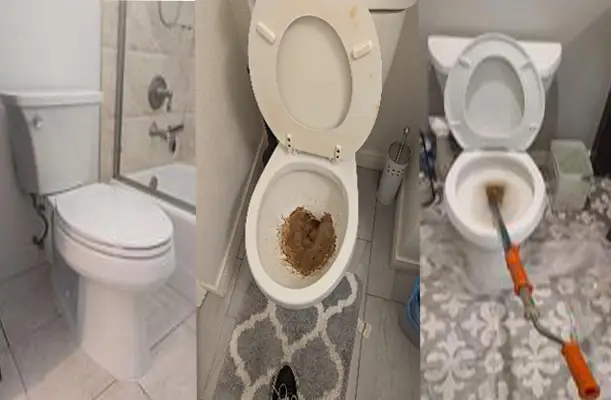
If one toilet is acting up but sinks and tubs are fine, the blockage is often in that toilet’s trap or the nearby branch line.
If multiple fixtures gurgle or back up, the restriction may be farther down the branch line or main line.
If the water level is rising, stop flushing—one more flush can turn a problem into a mess.
Most common causes we see:
- “Flushable” wipes and heavy paper
- A foreign object caught in the trap
- A partial restriction farther down the line
Quick Answers
Most toilet stoppages can be cleared the same day once we confirm whether it’s a toilet trap blockage or a downstream line issue.
If it keeps clogging, the real cause is often the wrong clearing method, repeated “flushable” products, or a deeper line restriction.
If the bowl rises fast, stop flushing and avoid running nearby fixtures until it’s cleared.
What a Toilet Stoppage Usually Is
A toilet stoppage is a restriction that blocks normal flow through the toilet trapway or the drain line the toilet ties into. Sometimes it’s a simple trap blockage (close to the toilet). Other times it’s farther downstream, and the toilet is just the first place you notice it.
Common Causes (And What We Watch For)
- Too much paper or “flushable” wipes: Even wipes labeled flushable can hang up in the line, especially if there’s any roughness or buildup.
- Foreign objects: Kids toys, hygiene products, and small items can lodge in the trap and cause repeat clogs until removed.
- Partial blockage in the branch line: The toilet might “kind of flush,” then clog again because the restriction is farther down.
- Low-flow toilet sensitivity: Some toilets don’t tolerate heavy paper use well, so small restrictions show up fast.
- Main line symptoms: If multiple drains act up, we treat it differently—because it may not be a “toilet problem” at all.
What We Check First
We keep the visit practical and clean:
- Is it one toilet or multiple fixtures?
- Does it plunge temporarily or not at all?
- Any gurgling at the tub/shower or sink when the toilet flushes?
- Is there evidence of a downstream backup (dirty water, multiple fixtures affected)?
- Best access point for clearing without making a mess
- Whether a camera inspection makes sense (repeat clogs, unknown history, multi-fixture symptoms)
How We Clear Toilet Stoppages
We choose the method based on what’s happening, not habits.
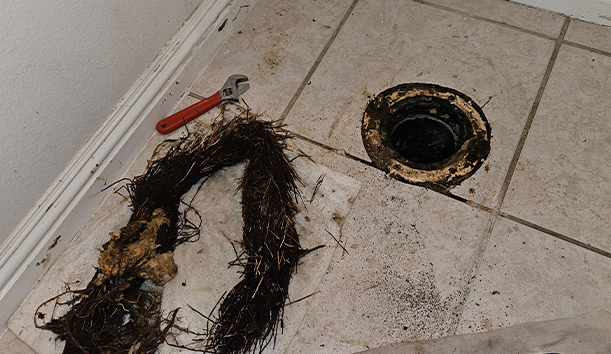
- Auger (toilet-safe clearing): For trap blockages close to the toilet, a proper toilet auger can remove the restriction without damaging the bowl.
- Branch line clearing: If symptoms point past the toilet, we clear the branch line so the system restores normal flow.
- Deeper clearing for repeat stoppages: If you’ve had multiple clogs in a short time, we focus on why it keeps happening, not just “getting it to flush today.”
After clearing, we test flush performance and make sure the toilet pulls clean and stable.
When a Camera Inspection Makes Sense
If stoppages keep returning, or if multiple drains are involved, a video inspection can confirm what’s going on—buildup, offsets, a low spot holding debris, or root intrusion farther out. That way you’re not stuck in the cycle of “clear it, clog again.”
If you’re seeing backups across more than one drain, this page may help too:
https://profplumbinc.com/huntington-beach-plumber/drainage-service/clogged-drain-repair/
What We Won’t Do
We won’t guess, and we won’t dump harsh chemicals down the toilet to “hope it opens.” We confirm whether it’s a trap blockage or a downstream restriction first, then clear it the right way.
Need a Local Plumber In Huntington Beach?

Professional Plumbing provides free inspections for current homeowners during business hours. A small fee applies for homes in escrow or for sale; this fee can be credited toward repair costs if we’re hired.
Huntington Beach Notes
In Huntington Beach, we commonly see toilet stoppages tied to wipes and heavy paper use, plus older drain lines that catch debris more easily over time. In busy households, small restrictions show up fast, so the goal is to clear it cleanly and confirm the toilet is flushing strong before we leave.
Service Area
We work throughout Huntington Beach, including Oak View, Bolsa Chica, and areas near Bella Terra.
Online Booking + Contact
Book online: https://profplumbinc.com/huntington-beach-plumber/book-online/
Call: (657) 272-7713
Address: 9631 Sailfish Dr, Huntington Beach, CA 92646
Hours: Mon–Sat 8am–5pm (Emergency service available 24/7)
Clear Toilet Stoppage FAQs
Not if the bowl rises quickly or plunging makes it worse. Over-plunging can force dirty water out of the bowl and create a bigger mess. If it’s a true trap blockage, the right tool is usually a toilet auger; if it’s downstream, repeated plunging won’t fix the cause.
Most repeat clogs come from wipes, paper buildup, or a partial restriction in the line that never got fully cleared. Sometimes the toilet itself is sensitive to usage and small restrictions show up fast. We narrow it down by checking symptoms and how the system behaves when other fixtures run.
That usually points to a restriction farther down the branch line, not just the toilet. The drain system is struggling to move air and water past the blockage. It’s best to stop using the fixtures until it’s cleared so you don’t back up into a tub or shower.
Yes. Even when the toilet flushes them, wipes can hang up farther down the line and build a net that catches paper and debris. Over time that turns into repeat stoppages. If we find wipes are part of the problem, we’ll tell you straight so it stops repeating.
Many toilet stoppages are cleared in one visit, often within an hour or two, depending on access and whether it’s a trap blockage or downstream restriction. If symptoms suggest a deeper issue and a camera inspection is needed, it can take longer. We’ll explain what we’re seeing early.
Usually not. Many stoppages clear through the bowl with the right auger or by clearing the line from a better access point. If removal is the cleanest option for access or retrieval, we’ll explain why before doing it.
Stop flushing and shut off the toilet’s angle stop valve behind the toilet if the tank keeps refilling. Don’t run nearby sinks or tubs if you suspect a downstream backup. If the water level is high, avoid adding any more water until it’s cleared.
Usually, yes—if the restriction is fully removed and the line is flowing normally. If it’s returning due to wipes, repeated buildup, or a deeper line condition, it can come back. When we see those patterns, we’ll recommend the next step that actually breaks the cycle.