


Sewer Line Replacement Huntington Beach
Sewer line replacement in Huntington Beach is needed when underground pipes are too damaged for cleaning or repairs.
Recurring backups, slow drainage across fixtures, or persistent sewer odors often signal a main line problem. Homeowners choose Professional Plumbing Inc. because we start with clear evaluations and explain options based on actual pipe conditions found.
This service replaces failed sewer piping to restore steady wastewater flow and protect the home from future issues. Replacement may involve one section or the entire sewer line, depending on condition, access, and layout.
If sewer symptoms continue, schedule an assessment to determine the appropriate replacement approach now.
What Sewer Line Replacement Is
- Removes failed sewer piping: Damaged or deteriorated sections are completely removed and replaced with new pipe, restoring sewer system integrity.
- Restores wastewater movement: Replacement ensures consistent, reliable flow from the home to the municipal sewer connection, supporting proper drainage throughout the property.
- Structural repair solution: This method addresses collapsed, separated, misaligned, or otherwise compromised sewer lines, providing a long-term solution that cleaning cannot achieve.
- Why replacement differs from drain cleaning: Unlike snaking or chemical treatments, replacement corrects the pipe itself, not just temporarily clearing blockages.
- Objective: Establish a stable, properly aligned sewer pathway that maintains smooth, consistent drainage for the entire home efficiently and safely.
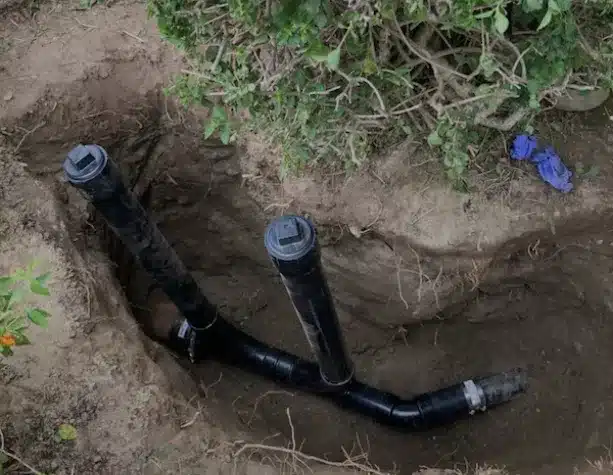
When Sewer Line Replacement Is Needed
- Ongoing sewer performance problems: Homeowners may experience persistent drainage issues even after cleaning, with problems continuing to affect home plumbing.
- Repeated main-line backups: Wastewater backing up through multiple fixtures signals a serious main sewer line problem requiring professional attention.
- Structural damage indicators: Sagging, separation, collapse, or misaligned underground pipes indicate severe deterioration needing complete sewer line replacement.
- When replacement is needed: In Huntington Beach, sewer line replacement is recommended after recurring problems or pipes reaching their service life.
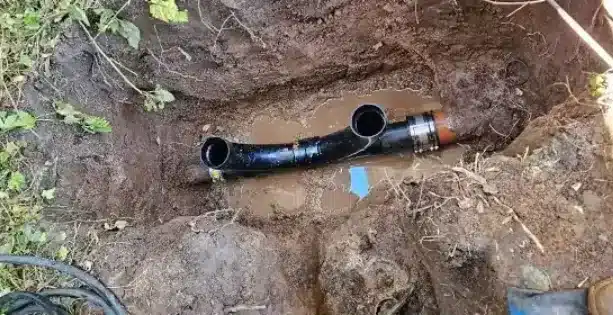
How Sewer Line Replacement Works
- On-site evaluation: The process begins with a thorough on-site inspection to locate damage, determine root causes, and confirm the necessity.
- Replacement planning: The replacement strategy considers access points, pipe routing, and nearby connections to ensure a seamless, efficient installation process.
- Implementation: Damaged pipe sections are removed or bypassed, and new piping is installed, connected, and tested for proper drainage flow.
- Restoration: Once testing is complete, the area is restored, and the system is returned to full normal operation.
One Local Scenario
A Huntington Beach homeowner experiences recurring sewer backups that return soon after the drains are cleared.
Inspection reveals a damaged sewer section that can not be repaired with localized fixes.
Sewer line replacement restores a continuous and reliable wastewater pathway, returning the home’s drainage system to full, efficient operation and trouble-free everyday use.
DIY Mistakes to Avoid
- Repeated chemical treatments often fail: These may temporarily mask main-line symptoms while structural damage continues, making it harder to plan the correct repair later.
- Frequent snaking is ineffective: Even if flow briefly improves, the underlying pipe issues remain and can worsen over time, creating recurring problems.
- Mistaking single-drain clogs for main-sewer issues: Assuming a minor clog is a major sewer problem can delay the right repairs and misdirect efforts.
- Treating the wrong point in the system: This approach leads to repeated disruptions without resolving the underlying pipe condition, prolonging inconvenience and damage.
Need a Local Plumber In Huntington Beach?

Professional Plumbing provides free inspections for current homeowners during business hours. A small fee applies for homes in escrow or for sale; this fee can be credited toward repair costs if we’re hired.
Helpful Table
| Situation homeowners notice | What it can indicate | What replacement addresses |
| Repeated main backups affecting multiple fixtures | A structural restriction or failure in the main line | Restores a stable, continuous sewer pathway |
| Sewer odors that persist after basic clearing | Compromised pipe integrity or failing joints | Replaces failed pipe sections to eliminate leak points |
| Frequent return of symptoms after cleaning | Damage beyond routine clearing | Resolves pipe failure rather than temporary blockages |
| Drainage problems throughout the home | Main line performance issue | Improves system-wide wastewater flow reliability |
Scheduling Sewer Line Replacement
If sewer line replacement appears appropriate for your Huntington Beach home, the next step is a professional evaluation.
This lets you understand the pipe’s condition and determine the right replacement approach for your situation.
To schedule service, call (657) 272-7713 with Professional Plumbing Inc.
Frequently Asked Questions
Sewer line replacement is the process of removing sewer piping that has structurally failed and installing new pipe so wastewater can exit the home reliably. It is used when the existing line is deteriorated, collapsed, misaligned, or otherwise unable to function consistently. Replacement can involve a section of the line or the full run, depending on what an evaluation finds. The purpose is to restore a stable, properly connected sewer pathway that supports normal drainage throughout the home.
You may need sewer line replacement when symptoms keep returning and an evaluation shows the pipe itself is compromised. Common signals include repeated backups that affect multiple fixtures, persistent sewer odors, or slow drainage throughout the home. A sewer line can also be considered for replacement when the pipe material has deteriorated or joints have failed. The most reliable way to determine this is an inspection that confirms whether cleaning or localized repair is still effective.
A sewer line replacement typically starts with confirming the damaged section and planning how the line will be accessed and replaced. The failed pipe is then removed or bypassed, and new piping is installed and connected to the home’s drain system. After connections are completed, flow and drainage are tested to confirm the line is functioning properly. The work area is then restored so the sewer system can return to normal use with consistent wastewater flow.
Preparation usually involves ensuring the plumber can access the locations needed for evaluation and replacement, such as cleanouts, utility areas, or parts of the yard where work may occur. It’s also helpful to share which fixtures have been affected and how often symptoms occur. Depending on the scope, you may be asked to limit water use during specific stages of the work. Your plumber will explain access needs and any temporary usage adjustments before work begins.
Sewer lines can fail from aging materials, joint separation, corrosion, shifting soil, or root intrusion that compromises the pipe’s structure over time. Some failures start as small cracks or offsets that gradually worsen until wastewater flow becomes unreliable. Repeated backups can also occur when the pipe’s interior condition no longer supports consistent drainage, even after cleaning. Replacement is considered when the pipe has structural damage that cannot be stabilized with maintenance or localized repair.
A successful replacement is typically confirmed by stable drainage throughout the home, with fixtures clearing consistently and no recurring main-line symptoms. The plumber should verify flow after installation to ensure the new line is properly connected and aligned. In the days following service, you should not see repeated backups, persistent sewer odors, or system-wide slow drainage. If any symptoms return, it’s appropriate to report what you’re noticing so the system can be rechecked.