


Area Drains Huntington Beach
Area drains in Huntington Beach are for yard and outdoor drainage problems—standing water near patios, pooling by side gates, soggy lawn corners, or water that runs toward the house instead of away. If you’re seeing puddles after sprinklers or rain, or the drain in the ground is full of dirt and never seems to “take” water, you’re in the right spot.
Your Home First: we use shoe covers when we’re inside, protect walk paths and any indoor floors we cross, and keep the work area neat outside. Then we do a clear walkthrough with you at the end so you understand what was blocked, what we cleaned or repaired, and how to keep the drainage working.
This page is about area drains in Huntington Beach, not full landscape redesign or city storm drain work.
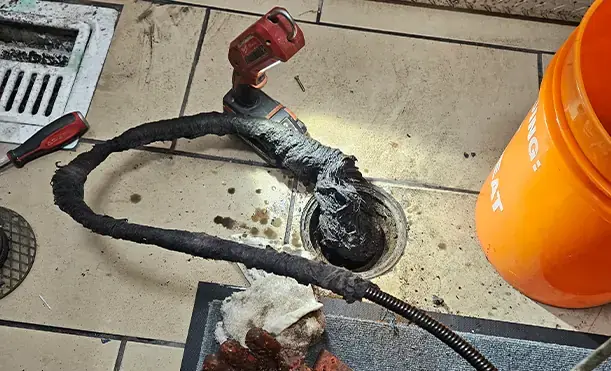
Fast Clues (Before You Scroll)
If the grate is buried in mulch or soil, the drain may be blocked right at the inlet. If water sits for hours, the line may be packed with sediment or the outlet may be clogged. If you smell swampy odor from the drain box, it usually means standing water and debris buildup.
Most common causes we see:
- Sand, silt, and yard debris washing into the drain box
- Roots near joints in older drain lines
- Crushed or separated outdoor drain pipe
- A blocked pop-up emitter or daylight outlet
Quick Answers
Most area drain problems are either a clogged inlet/drain box, a line packed with sediment, or a blocked outlet.
If the drain “works” for a minute and then backs up, the pipe is often restricted farther down.
If the pipe is crushed or separated, cleaning alone won’t hold and a repair is usually the real fix.
What an Area Drain Is
An area drain is an outdoor drain that collects surface water from yards, planter beds, patios, or walkways and sends it into a drain line that discharges to a safe outlet. You’ll usually see a grate at ground level and, below it, a drain box that catches debris before it travels down the pipe.
Common Problems We See
- Clogged Drain Box (The Most Common): Leaves, mulch, sand, and dirt settle in the box until water can’t enter the line.
- Sediment-packed Drain Line: Outdoor lines can fill with sand and silt over time. The drain may still “accept” water, but it can’t move enough volume, so it backs up.
- Blocked Outlet: Many area drains discharge to a pop-up emitter or a daylight outlet. If the outlet is blocked, the system can’t drain, even if the inlet looks clean.
- Root Intrusion: Roots can find small openings at joints. Once roots grab debris, the clog grows.
- Crushed or Separated Pipe: Outdoor pipe can shift from soil movement or past work. If the pipe is crushed or separated, water may leak into the soil and create constant soggy spots.
What We Check First
We try to answer one question: where is the water supposed to go, and why isn’t it getting there?
- Drain grate and drain box condition (depth of debris, standing water)
- Flow test at the inlet (does it rise immediately or slowly?)
- Outlet location and condition (pop-up emitter/daylight discharge)
- Signs of sediment load (sand in the box, gritty water)
- Drain line material and age clues (older thin-wall vs newer pipe)
- Whether a camera inspection makes sense for repeat or mystery issues
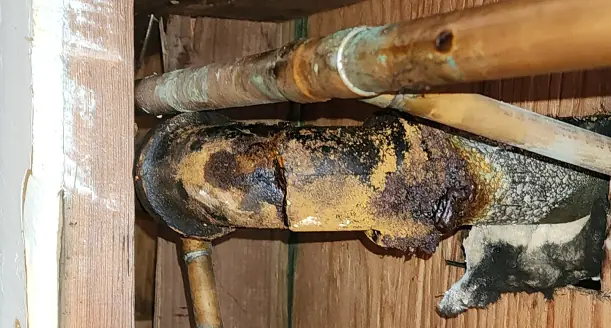
Cleaning vs Repair (Simple Guidance)
Cleaning usually makes sense when the system is intact but blocked by debris, sediment, or a clogged outlet. Repair usually makes sense when the pipe is crushed, separated, or root intrusion keeps returning in the same section. We’ll show you what we’re seeing so it’s not a guessing game.
How We Restore Drainage
We choose the approach based on the type of blockage and the drain layout.
- Drain box clean-out: We remove packed debris so water can enter the line again.
- Line clearing: If the line is restricted, we clear it so it can carry water away at full flow instead of backing up.
- Outlet correction: If the discharge point is blocked or buried, we restore the outlet so the system can actually drain.
- Camera inspection (when needed): For recurring problems or suspected damage, a camera can confirm roots, offsets, or crushed sections so the fix is targeted.
Prevention Tips That Actually Help
Small habits keep area drains working longer:
- Keep the grate visible (don’t bury it in mulch or soil)
- After heavy yard work, rinse loose debris away from the drain opening
- If you have a pop-up emitter, make sure it can open freely
- If the drain box fills with sand often, that usually points to sediment traveling from a slope or planter bed—cleaning helps, but we may also suggest a better debris catch setup
Need a Local Plumber In Huntington Beach?

Professional Plumbing provides free inspections for current homeowners during business hours. A small fee applies for homes in escrow or for sale; this fee can be credited toward repair costs if we’re hired.
Huntington Beach Notes
In Huntington Beach, outdoor drains deal with a mix of sand, wind-blown debris, and runoff from sprinklers. When area drains clog, water tends to collect along side yards, patio edges, and low spots near gates. Getting the drain box and the outlet working together is usually the difference between “it drains for a day” and “it stays fixed.”
Related Drainage Services
Online Booking + Contact
Book online: https://profplumbinc.com/huntington-beach-plumber/book-online/
Call: (657) 272-7713
Address: 9631 Sailfish Dr, Huntington Beach, CA 92646
Hours: Mon–Sat 8am–5pm (Emergency service available 24/7)
Area Drains FAQs
An area drain collects surface water through a grate and drain box, then sends it down a pipe. A French drain is usually a perforated pipe surrounded by gravel that collects groundwater through the soil. The right solution depends on whether your problem is surface pooling or groundwater saturation.
Because the drain box is designed to catch debris, and outdoor runoff often carries sand and silt. Once the box fills, water can’t enter the line fast enough. Cleaning the box and confirming the outlet is open usually restores drainage, but frequent buildup can also mean the yard is feeding too much sediment into the drain.
Often, yes. Many clogs are in the drain box or in the line and can be cleared through normal access points. If the pipe is crushed or separated, a targeted dig might be needed to repair that specific section, but we don’t start with digging if it’s not necessary.
We look for common discharge points like pop-up emitters, daylight outlets near fences, or tie-ins to a larger drain line. If it’s not obvious, flow testing and (when needed) a camera inspection can confirm the route and pinpoint where it’s blocked.
If the drain backs up quickly every time even after cleaning, if soggy spots appear along the line route, or if the same problem returns in the same area, damage becomes more likely. A camera inspection can confirm roots, offsets, or a crushed section so the repair is focused.
They can, especially if the line has joints or small openings that roots can find. Clearing can restore flow, but if root intrusion is recurring, the long-term answer is usually a repair at the root-entry point, not repeated clearing.
Many clean-outs and basic clearings can be handled in one visit. If the issue involves locating an outlet, heavy sediment load, or a damaged section, it can take longer. We’ll explain what we find early so you know the path forward.
A light flow test is fine, but don’t flood the area if it’s already backing up. If the drain is blocked, extra water can spread toward the house or into side yards. We’ll test in a controlled way once we’ve confirmed where the water is supposed to discharge.