
Sewer Line Repair Huntington Beach
Sewer Line Repair Huntington Beach is for when the pipe is damaged, not just “a simple clog.” That damage might be roots pushing through joints, a cracked section, an offset connection, or a low spot that keeps catching waste and paper.
Our job is to repair what’s actually wrong, keep the work clean, and explain your options in plain English. No scare talk. No pressure. You get clear proof, clear choices, and clean work from start to finish.
In Huntington Beach, we see a lot of sewer issues in older neighborhoods near Huntington Central Park where lines can be clay, cast iron, or mixed materials and they’ve been in the ground a long time.
When sewer line repair is the right move
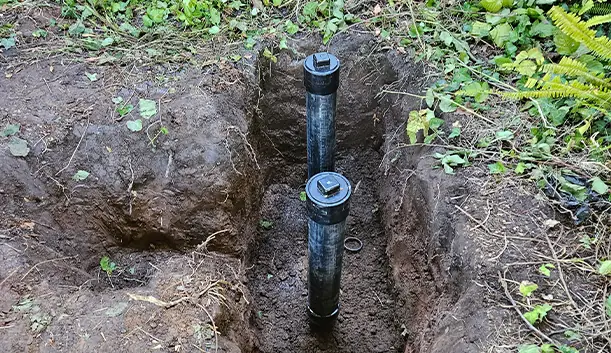
Repair is the right move when your sewer line has a real defect that keeps causing trouble, like:
- repeat backups even after clearing
- sewage smell outside near the line path
- wet spots that don’t match sprinkler patterns
- gurgling toilets or drains when multiple fixtures run
- slow drains across the house (not just one sink)
The big goal is simple: fix the defective section so the system can flow the way it’s supposed to.
Common sewer line problems we repair
Here’s what we’re usually repairing:
- root intrusion at joints
- cracked or broken pipe sections
- offset joints where pipe sections don’t line up
- bellies (low spots) that hold water and waste
- deteriorated cast iron sections
- damaged fittings near cleanouts or transitions
How we confirm the problem
Good repairs start with proof. Most sewer line repairs involve confirming the defect with a camera inspection and/or locating so we’re not digging the wrong spot.
One honest limitation: we can’t see inside a sewer line that is completely full of water and waste. If everything is flooded, we may need to restore enough flow first so the inspection is actually visible and trustworthy.
Once we can see what’s happening, we explain it clearly:
- what the defect is
- where it is
- what repair options make sense
- what each option changes (and what it doesn’t)
Repair options
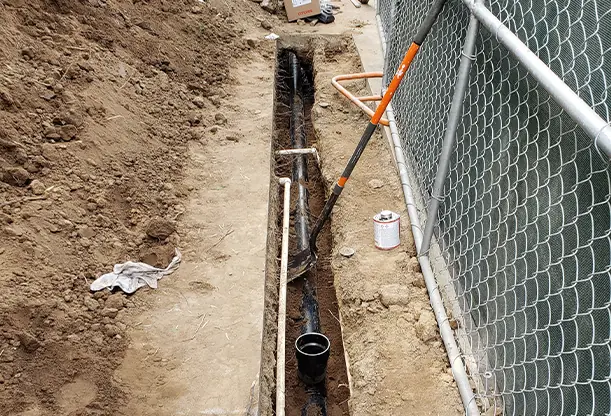
Every property is different, so we don’t run one script. Depending on what we find, repair options may include:
- Spot repair
If the problem is isolated to one section, we repair only that damaged portion. This is a solid option when most of the line is still in good shape. - Section replacement
Sometimes a short stretch is too far gone (crushed, missing, badly broken). In those cases, replacing just that damaged section can be the cleanest fix. - Lower-dig repair methods (when appropriate)
Some repairs can be done with less digging depending on the pipe and the defect. If that applies, we’ll explain what it is and when it makes sense.
Important: this page is strictly about repairing damaged sewer sections. If a full replacement is truly needed, we treat that as a separate scope and decision, with its own explanation and options.
Need a Local Plumber In Huntington Beach?

Professional Plumbing provides free inspections for current homeowners during business hours. A small fee applies for homes in escrow or for sale; this fee can be credited toward repair costs if we’re hired.
Good prep
A few things that help the visit go faster and cleaner:
- tell us which fixtures are backing up (toilet, tub, shower, laundry, etc.)
- point out cleanouts if you know where they are
- keep side yards and gates accessible
- if digging is likely, we’ll coordinate safe marking (including 811 when needed)
We protect the work area, keep things tidy, and walk you through what we found before anything major happens.
Sewer Line Repair FAQs
If one drain clogs once, that can be a clearing job. If multiple drains back up, the problem repeats, or you’ve got outside symptoms like odors or wet areas, repair becomes more likely. The clean way to know is to confirm the pipe condition and find the defect, not guess from symptoms alone.
Not usually. Many repairs are isolated to a specific section. If we can confirm where the damage is, we focus work on that area instead of digging everything up. The amount of digging depends on access, depth, and where the broken section sits on the property.
Common causes are roots entering joints, older clay lines shifting over time, cast iron deterioration, and low spots that keep collecting waste. Older layouts can also create offsets that lead to repeat blockages.
Sometimes we need to restore enough flow first. We can’t see inside a sewer line that’s completely full of water and waste, so a fully flooded line can block the camera view. The goal is a repair based on a clear diagnosis, not a blurry guess.
Many sewer repairs can be completed in a day when the issue is isolated. More complex jobs can take longer depending on access, depth, permitting needs, and the repair option chosen. We’ll give you a clear timeline before work begins.
A correct repair fixes the defect we find. It doesn’t change the condition of every other section of pipe. That’s why we explain what we’re repairing, what the rest of the line looks like, and what to watch for going forward.