

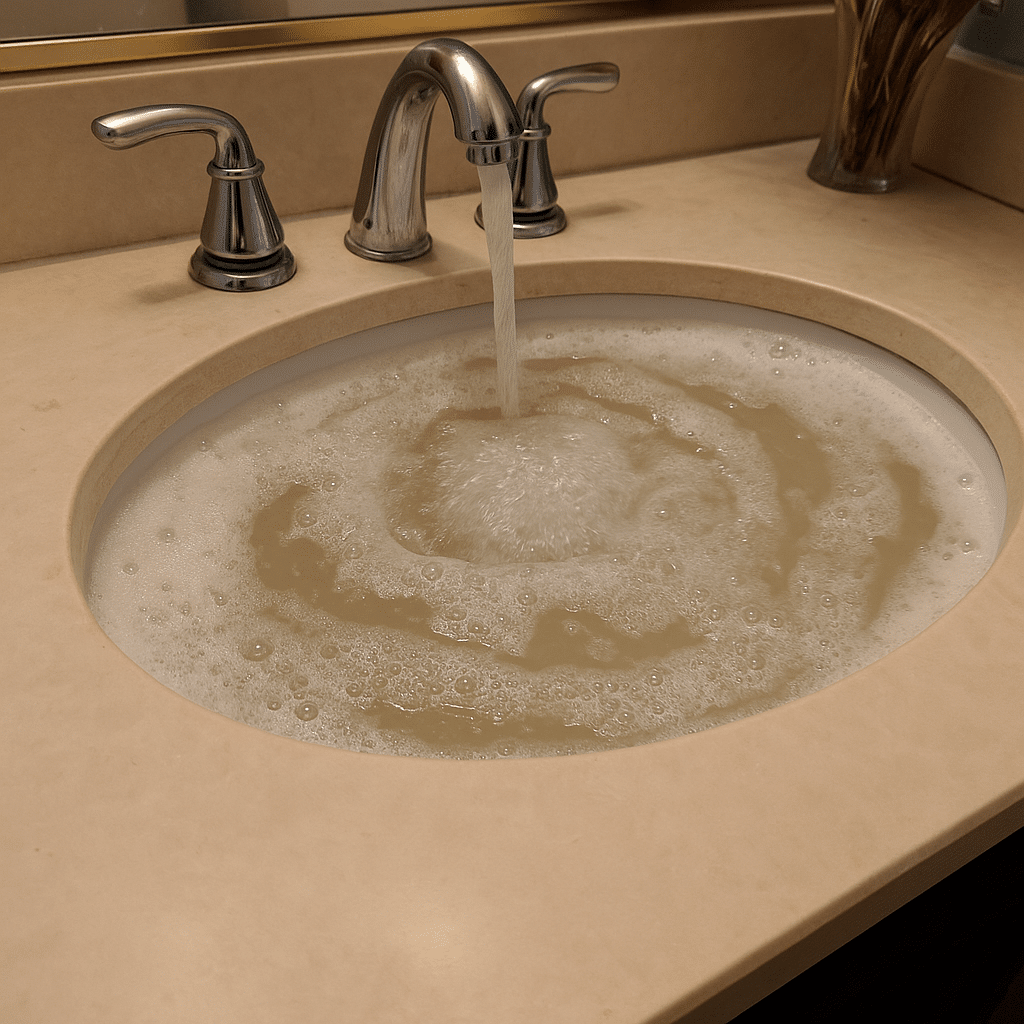
Backed up drain: 5 Essential Fixes Solved!
Backed Up Drain in Fountain Valley? Why Your Home’s Plumbing Needs Immediate Help
A backed up drain is more than just a minor inconvenience—it’s often your plumbing system’s way of crying for help. Whether it’s a kitchen sink that won’t empty, a toilet that threatens to overflow, or a shower drain pooling water around your feet, these problems rarely fix themselves. In fact, they usually get worse.
Quick Answer: What You Need to Know About Backed Up Drains
- Single drain backing up? Usually a local clog from hair, grease, or soap buildup
- Multiple drains affected? Likely a main sewer line blockage requiring professional help
- Immediate steps: Stop using water, assess which drains are affected, try a plunger for single drains
- Warning signs: Gurgling sounds, sewage odors, water backing up in other fixtures
- When to call a pro: Multiple drains slow, recurring clogs, sewage smell, or DIY methods fail
The average American sewer line is 30 years old, and here in Fountain Valley, our local conditions create unique challenges. The shifting clay soils and the mature trees found in neighborhoods like Green Valley and the areas around Mile Square Regional Park put constant stress on underground pipes. Tree roots seek out moisture, old clay and cast iron lines crack, and what starts as a slow drain can quickly become raw sewage backing up into your home.
Understanding the difference between a simple clog and a sewer line backup is critical. A backed up drain in your kitchen might just need a plunger, but if your toilet gurgles when you run the washing machine, you’re dealing with something more serious.
I’m William Horsky, and in my 42+ years serving Fountain Valley homeowners, I’ve seen every type of backed up drain imaginable—from simple hair clogs to complete sewer line collapses. At Professional Plumbing Inc., we’ve helped thousands of families in Fountain Valley solve their drain backup mysteries quickly and permanently.
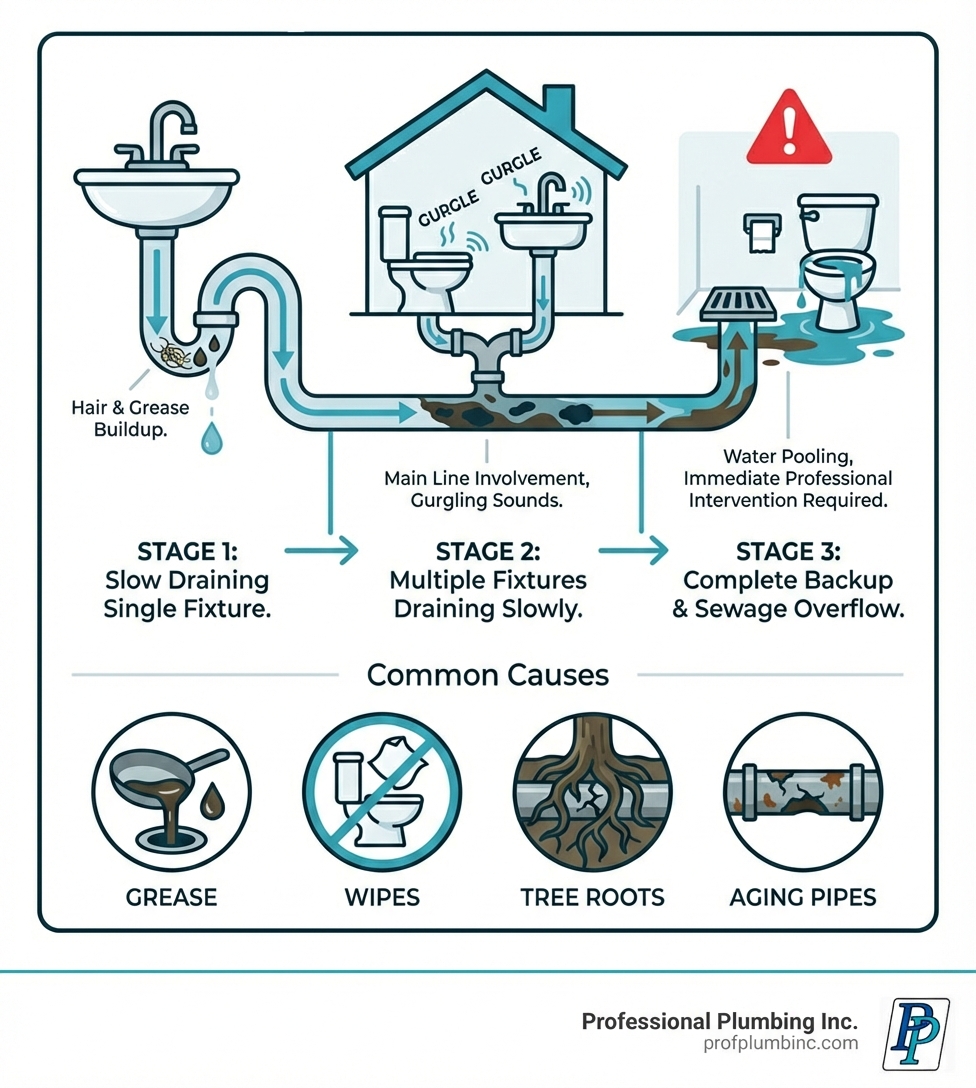
Spotting the Signs: Simple Clog or Major Sewer Backup?
When water starts to pool, drain slowly, or worse, back up into your home, it’s natural to feel a pang of panic. But before you jump to conclusions, understand what your plumbing system is trying to tell you. Is it a minor hiccup, or a major emergency?
Distinguishing a Clogged Drain from a Sewer Line Backup
A single clogged drain is usually an isolated issue, meaning only one fixture, like a bathroom sink or a shower, is affected. This type of clog often develops over time when something blocks the free flow of liquid out of a drain pipe. You might notice it’s taking longer for water to drain from your sink, or perhaps you’re hearing gurgling noises when you flush the toilet, signaling the start of a clog. This is common in many Fountain Valley homes, especially in older neighborhoods with plumbing systems dating back to the 1960s and 70s.
However, when multiple drains act up simultaneously, especially those on the lowest level of your home, you may have a main sewer line problem. This can impact the proper functioning of sinks, toilets, showers, bathtubs, dishwashers, and washing machines throughout your entire home.
Here’s a quick comparison to help you tell the difference:
| Symptom / Issue | Single Clogged Drain | Main Sewer Line Backup |
|---|---|---|
| Fixtures Affected | One specific fixture (e.g., kitchen sink, bathtub) | Multiple fixtures, especially low-level ones (e.g., all toilets, showers, sinks) |
| Drainage Speed | Slow drainage in one fixture | Slow drainage in multiple fixtures, or no drainage at all |
| Gurgling Noises | May hear gurgling in the affected fixture | Gurgling from toilets or drains when other fixtures are used (e.g., flushing toilet makes shower gurgle) |
| Water Backup | Water backs up only in the affected fixture | Water backs up in other fixtures when one is used (e.g., flushing toilet causes water to back up in the shower or tub) |
| Foul Odors | May have a localized, mild odor | Strong, widespread sewage odors |
| Cleanout Status | Typically no issue at the sewer cleanout line | Water or sewage may be visible in the sewer cleanout line outside your home |
If you’re unsure, a professional Drain Camera Inspection can provide definitive answers, allowing us to see exactly what’s happening inside your pipes.
Telltale Signs of a Sewer Line Backup
A main sewer line backup is a serious issue that requires immediate attention. Here are the clear signs that indicate you might be facing this problem:
- Multiple slow drains: If more than one sink, toilet, or shower in your home is draining sluggishly, it’s a strong indicator that the problem isn’t isolated to a single fixture but is further down in your main line.
- Gurgling sounds from toilets or drains: When you hear gurgling noises coming from your toilet after flushing a nearby sink, or from your shower drain when you run the washing machine, it suggests trapped air due to a blockage in the main sewer line.
- Water backing up in the shower or tub when you flush the toilet: This is a classic sign of a main line blockage. Since the shower and toilet often share the same main drain line, a blockage prevents wastewater from flowing away, forcing it to seek the lowest available exit point—often your shower or tub.
- Sewage smell from drains: A persistent foul, sewage-like odor emanating from multiple drains is a critical warning sign. This smell indicates that wastewater is not flowing correctly and is sitting in your pipes, potentially backing up.
- Water pooling around the sewer cleanout line in your yard: Your sewer cleanout is a capped pipe that provides access to your main sewer line. If you see water or sewage pooling around it, especially when using indoor plumbing, it’s a clear sign of a significant blockage or issue in your main sewer line.
The Culprits: What Causes a Backed Up Drain in Fountain Valley Homes?
Understanding the causes of a backed up drain is key to preventing them. In Fountain Valley, we encounter a mix of homeowner-related issues and external factors that can lead to significant drainage problems.

Homeowner-Controlled Causes
Many drain backups stem from what goes down our drains daily. Here’s a list of common culprits we advise Fountain Valley homeowners to avoid:
- Grease, fats, and oils: These substances might be liquid when hot, but they cool and solidify as they travel down your pipes. Over time, they create sticky blockages that trap other debris. This is a primary cause of Clear Kitchen Sink Stoppage issues. Always scrape grease and food scraps into the trash, not the sink.
- Coffee grounds: While they seem small, coffee grounds don’t dissolve in water and can accumulate into sludgy clogs.
- “Flushable” wipes: Despite what the packaging says, most “flushable” wipes do not break down in water like toilet paper. They contribute significantly to blockages in both home plumbing and municipal sewer systems.
- Paper towels: Like “flushable” wipes, paper towels are designed to be absorbent and durable, not to disintegrate in water.
- Feminine hygiene products: Tampons, pads, and other hygiene products expand when wet and should never be flushed down the toilet.
- Dental floss: Floss is strong and non-biodegradable. It can wrap around other debris, forming dense clogs.
- Hair and soap scum buildup: In bathrooms, hair combines with soap scum to form a matted mess that water struggles to push through. Using drain screens can help catch hair before it enters the drain.
External Factors and Aging Infrastructure
Sometimes, a backed up drain isn’t due to anything you’ve done. External factors and the age of our infrastructure play a significant role, especially in established Fountain Valley communities.
- Tree Root invasion: The beautiful, mature trees that give Fountain Valley its character are also a primary cause of sewer line problems. Roots from ficus and pine trees are relentless; they seek out moisture and can infiltrate tiny cracks in your pipes, growing into dense masses that block flow or even crush the pipe. We always recommend to plan for a tree’s root growth when planting new trees near sewer lines.
- Shifting clay soil in Fountain Valley: Our local clay soils are notorious for shifting, especially with changes in moisture content. This ground movement can put immense pressure on underground pipes, causing them to crack, separate, or even collapse. A breach in the pipe’s structure blocks flow, creating a backup.
- Broken or collapsed pipes: As durable as they seem, pipes don’t last forever. The average American sewer line is 30 years old, and many homes in Fountain Valley have pipes made of older materials like clay or cast iron. These materials are more susceptible to breaking and corrosion through wear over time compared to modern PVC. Degradation can lead to rough interiors that trap debris, or worse, full collapses.
- Municipal line blockages from heavy rain: In some cases, the problem isn’t with your private sewer line but with the city’s main sewer line. Blockages in the municipal system can be caused by clogs similar to household ones, or by inadequate system capacity, especially during heavy rainfall. If the cleanout near your house is full of water, it could indicate a problem with the city’s main sewer. This type of problem becomes evident if a community experiences sewer issues after heavy rainfall. For significant issues, our team is expert in Sewer Line Repair.
First Response: What to Do Immediately When a Drain Backs Up
When you’re faced with a backed up drain, especially a significant one, quick action can minimize damage and stress. Don’t panic – we’re here to help, but these initial steps can make a big difference.
Safe DIY Steps for a Minor Backed up Drain
If it’s a minor, isolated backed up drain and you’re confident it’s not a main sewer line issue, you can try a few safe DIY methods:
- Stop using water: This is crucial. Any additional water entering the system will only worsen the backup.
- Use a plunger for sinks and toilets: For a backed up drain in a sink, fill the basin with enough water to cover the plunger’s cup. For a toilet, ensure there’s enough water to create a seal. Place the plunger firmly over the drain, ensuring a tight seal, and plunge vigorously several times. For sinks with overflow holes, stuff a wet rag into the overflow to ensure maximum suction. If it doesn’t clear after 30 seconds of plunging, it’s likely a more stubborn clog. For toilet-specific issues, our team can help with Clear Toilet Stoppage.
- Try a mix of baking soda and vinegar followed by hot water: This natural method can help break down grease and soap scum. Pour half a cup of baking soda down the drain, followed by half a cup of white vinegar. Let it sit for 15-30 minutes (you’ll hear fizzing!), then flush with a kettle of hot (not boiling, especially if you have PVC pipes) water.
- Clean the P-trap under the sink: For a backed up drain in a sink, the P-trap (the U-shaped pipe directly under the sink) often collects hair and debris. Place a bucket underneath to catch water, then carefully loosen the slip nuts on either side of the P-trap. Remove the trap, clear any obstructions, and reassemble, hand-tightening the nuts and then giving them a quarter turn with a wrench.
- Use a small drain snake for localized clogs: For a persistent single drain clog, a small hand-held drain snake can be effective. Feed the snake into the drain until you feel resistance, then twist and pull to break up or retrieve the clog. Be gentle to avoid damaging pipes.
If these steps don’t work, or if you’re dealing with a significant Clogged Drain Repair issue, it’s time to call in the professionals.
Locating and Using Your Sewer Cleanout
Your sewer cleanout is a vital part of your home’s plumbing system. It’s an access point to your main sewer line and can be crucial for diagnosing and sometimes even temporarily relieving a major backed up drain.
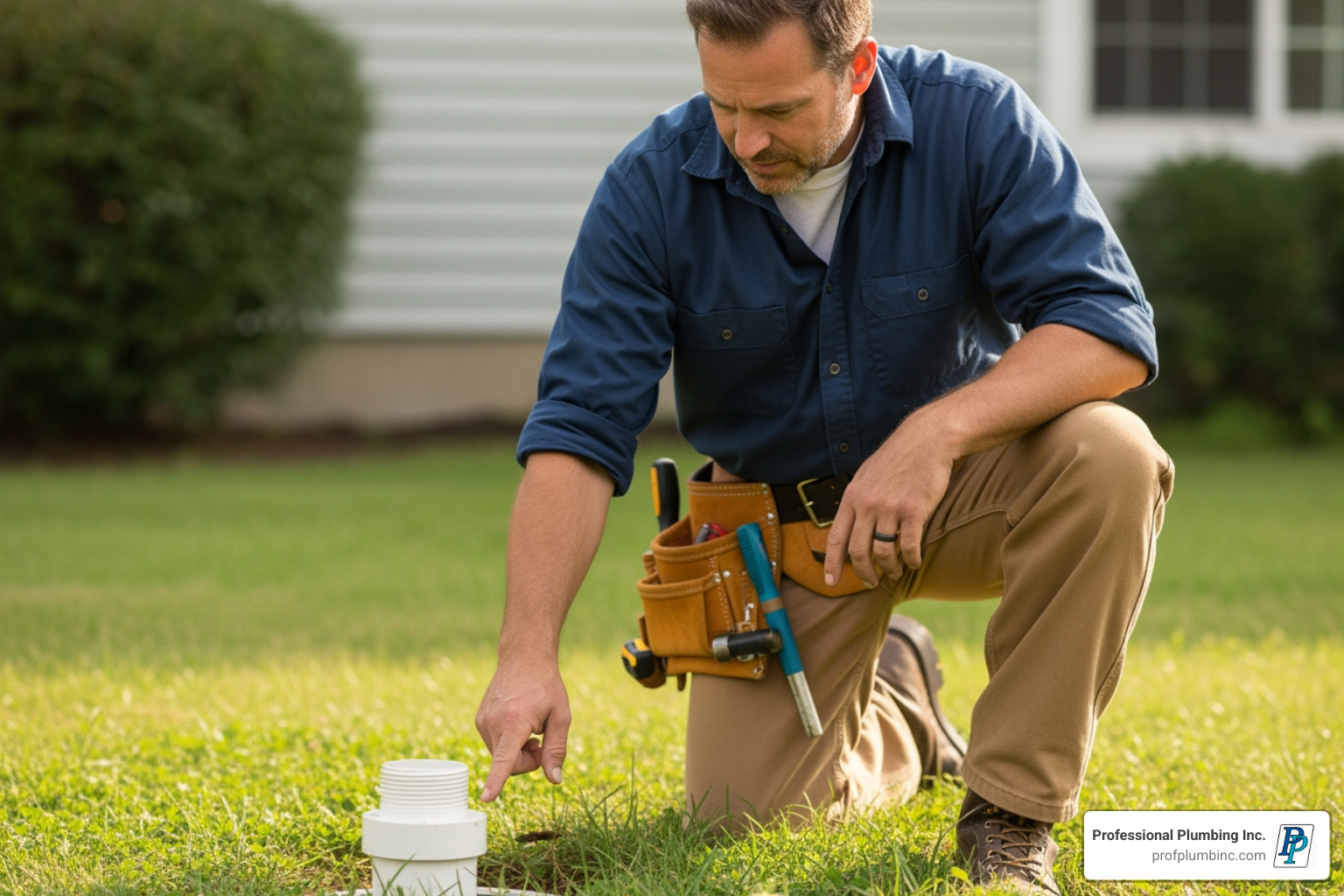
- Find the white PVC pipe in your yard: Most homes in Fountain Valley have at least one sewer cleanout. It’s typically a short, white PVC pipe, about three to four inches round, sealed with a screw-on cap. It’s usually located outside your home, often near a bathroom or where the main sewer line exits the house.
- Carefully unscrew the cap to release pressure: If you suspect a main line backup, slowly and cautiously unscrew the cap. Be prepared for potential overflow of raw sewage. Have towels or buckets ready. Releasing the pressure here can sometimes temporarily alleviate the backup inside your home.
- Assess the situation at the cleanout:
- If the cleanout near your house is full of water, and especially if water or sewage is actively flowing out, it indicates a blockage in your main sewer line beyond that point, possibly in the city’s main line or further down your private lateral.
- If the cleanout is empty, it suggests the blockage is between your house and the cleanout, meaning it’s entirely within your home’s plumbing system.
Dealing with raw sewage can be hazardous. If you’re uncomfortable or unsure, it’s always best to contact us.
Long-Term Fixes and Preventing Future Backups
Dealing with a backed up drain is never fun, but the good news is that many issues are preventable, and recurring problems often have long-term solutions. Our goal at Professional Plumbing Inc. is to help Fountain Valley homeowners move beyond quick fixes to lasting peace of mind.
How to Prevent a Backed up Drain
Prevention is always better than cure, especially when it comes to plumbing. By adopting these simple habits, you can significantly reduce the risk of a backed up drain:
- Use drain screens: Place screens or strainers in all your sinks and shower drains to catch hair, food scraps, and other debris before they enter your pipes. Regularly clean these screens to keep them effective.
- Scrape grease and food into the trash: Never pour cooking oil, grease, or fat down your kitchen sink. Let it cool and solidify, then scrape it into the trash. Similarly, dispose of food scraps in the trash or compost, not the garbage disposal, to prevent nasty clogs. Our team can help with Drain Maintenance to keep your pipes flowing freely.
- Only flush toilet paper and human waste: Avoid flushing anything else, including “flushable” wipes, paper towels, cotton balls, dental floss, and feminine hygiene products. Keep a trash can in the bathroom for these items.
- Schedule annual Sewer Line Video Inspection: This is especially important for older homes in Fountain Valley, particularly in neighborhoods with mature trees. A camera inspection allows us to identify potential problems like tree root intrusion, cracks, or accumulating debris before they escalate into a major backed up drain.
- Plan for a tree’s root growth away from sewer lines: If you’re planting new trees, choose species with non-invasive root systems and plant them a safe distance from your underground sewer lines. If you have existing trees near your lines, consider professional root management.
Professional Solutions for Recurring Problems
If you’re constantly battling a backed up drain, it’s a sign that DIY methods aren’t addressing the root cause. That’s when professional solutions become essential.
- Hydro Jetting to thoroughly clean pipes: For stubborn clogs, grease buildup, or recurring root intrusion, hydro jetting is incredibly effective. This process uses high-pressure water (up to 4,000 PSI!) to blast away grease, sludge, roots, and buildup from inside your pipes. Unlike snaking, which can just punch a hole through a clog, hydro jetting scrubs the entire pipe wall clean, removing debris and significantly reducing the chances of future backups. It’s a powerful solution that leaves your pipes as clean as new.
- Trenchless Drain Line Repair to replace damaged lines without digging up your yard: For severely damaged, collapsed, or frequently infiltrated pipes, repair or replacement may be necessary. Modern trenchless technologies, like pipe bursting or cured-in-place piping (CIPP), allow us to replace or reline your sewer pipes with minimal disruption to your landscaping. This means no tearing up your beautiful Fountain Valley yard, making it a less invasive and often more cost-effective long-term solution.
- Installing backwater valves: A backwater valve is a device installed on your sewer pipes that allows sewage to flow out to the public sewer but prevents it from backing up into your property. This is especially useful in areas prone to municipal sewer backups or during heavy rainfall. The City of Fountain Valley requires backflow prevention devices for many new and repaired sewer lines, and they need periodic cleaning to ensure proper function.
When to Call a Professional Plumber in Fountain Valley
While some minor clogs can be tackled with a plunger, knowing when to call a professional plumber for a backed up drain is crucial for preventing extensive damage and ensuring the health and safety of your home.
Here are the situations where our team at Professional Plumbing Inc. should be your first call:
- Recurring clogs: If the same drain keeps backing up despite your best DIY efforts, there’s a deeper issue that needs professional attention.
- Multiple drains are backed up: As we’ve discussed, this is a strong indicator of a main sewer line blockage, which requires specialized equipment and expertise.
- You suspect a main line blockage: Any of the telltale signs like gurgling from multiple fixtures, water backing up in other drains, or issues at your outdoor cleanout mean it’s time for us to step in.
- Foul sewage odors persist: A persistent, unpleasant smell indicates a serious problem that could be a health hazard.
- DIY methods fail: If plunging, baking soda, or a small snake don’t clear the backed up drain, you risk pushing the clog further or damaging your pipes by forcing it.
- You have an older home in Fountain Valley and suspect pipe damage: Many homes in our community have aging pipes (the average American sewer line is 30 years old) that are susceptible to collapse, corrosion, or root intrusion. We can perform a Sewer Line Locating service to pinpoint the exact issue.
The Risks of Ignoring a Sewer Backup
Ignoring a backed up drain or sewer line issue is like ignoring a leaky roof – it only gets worse and more expensive. The risks are substantial:
- Water damage to floors and walls: Raw sewage can quickly saturate building materials, leading to costly repairs, ruined flooring, and damaged drywall.
- Mold growth: Moisture from a sewer backup creates an ideal environment for mold and mildew to flourish, often within 24-48 hours. Mold can cause respiratory problems and further structural damage.
- Health hazards from bacteria and contaminants: Wastewater contains harmful bacteria, viruses, and pathogens. Exposure to raw sewage poses serious health risks to you and your family.
- Damage to your home’s foundation: Prolonged water exposure, especially from leaking sewer lines, can weaken your home’s foundation, leading to cracks and structural instability.
- Pest infestations: Standing water and sewage can attract pests like insects and rodents, creating an even unhealthier environment.
Why a Licensed Plumber is Essential
When facing a significant backed up drain, you need experts you can trust. Our plumbers at Professional Plumbing Inc. are not just handymen; they are part of the Essential Critical Infrastructure Workforce, recognized for their vital role in maintaining public health and safety.
- They have specialized tools like video cameras and hydro-jetters: We invest in the latest technology, such as high-resolution sewer cameras for accurate diagnosis and powerful hydro-jetting equipment for thorough cleaning, far beyond what DIY tools can achieve.
- They understand local Fountain Valley building codes: Our team is intimately familiar with the specific plumbing codes and regulations required by the City of Fountain Valley. This ensures that any repairs or installations are compliant, safe, and properly permitted.
- They can diagnose the root cause accurately: A professional plumber won’t just clear a clog; we’ll identify why it happened. This might involve a Drain Camera Inspection to pinpoint tree roots, pipe damage, or other underlying issues. Our expertise ensures a lasting solution, not just a temporary fix.
- We offer Drain Clearing Service and comprehensive solutions: From simple clogs to complex sewer line repairs, we provide a full range of services to get your drains flowing freely again.
Your Trusted Partner for Clear Drains in Fountain Valley
Dealing with a backed up drain is stressful, but understanding the cause is the first step toward a lasting solution. By practicing good habits and knowing when to call for help, you can protect your home from water damage and keep your plumbing flowing smoothly. For persistent clogs or sewer line issues in Fountain Valley, the experienced team at Professional Plumbing Inc. is ready to provide fast, honest, and effective solutions.
Don’t let a backed up drain turn into a nightmare. If you’re a homeowner in Fountain Valley, we’re here to help. Reach out to us today for reliable Drainage Service you can count on.