

Polybutylene Pipe Replacement Huntington Beach
Polybutylene pipe replacement in Huntington Beach is a necessary service for homes still relying on aging polybutylene water supply lines.
Once popular, these pipes are now recognized for deteriorating internally, creating hidden weaknesses that often lead to sudden leaks, pressure loss, and widespread plumbing concerns without warning.
Homeowners choose full polybutylene pipe replacement because it addresses the condition of the entire plumbing system rather than isolated failures.
By replacing all affected piping at once, this approach delivers consistency, reliability, and long-term protection against recurring water damage issues. This service removes outdated polybutylene lines and installs modern materials for durability and safety.
What Polybutylene Pipe Replacement Is
- Polybutylene pipe replacement explained: Removing water lines and installing new piping throughout homes.
- Purpose of replacement: Restores plumbing systems using materials suited for long term use.
- How it differs from repairs: Polybutylene problems are systemic rather than isolated failures.
- Why spot repairs fail: Degrading material continues breaking down, causing leaks over time.
- Proactive replacement benefits: Prevents the ongoing failures and delivers long-lasting plumbing reliability homewide.

When Polybutylene Pipe Replacement Is Recommended
- Replacement recommended for known polybutylene piping: Even without leaks, aging material increases sudden failure risks.
- Material deterioration occurs internally over time: Pipes become brittle, weakening reliability and water system performance.
- Inspections often raise replacement discussions locally: Huntington Beach homes commonly identify polybutylene during routine evaluations.
- Unexplained leaks signal possible systemic issues: Hidden polybutylene failures may surface without visible warning signs.
- Professional evaluation confirms piping type: Helps determine whether full replacement is the most appropriate next step.
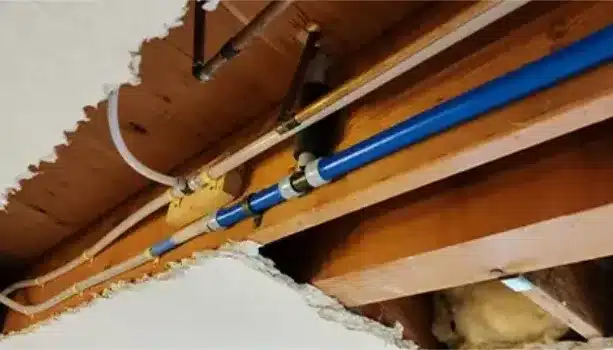
How Polybutylene Pipe Replacement Works
- The process begins with identifying polybutylene piping locations: Evaluating accessible areas and fixture connections thoroughly.
- Assessment determines the extent of piping: Mapping how lines connect to fixtures and supply points.
- Once scope is defined clearly: Existing polybutylene pipes are removed or properly abandoned safely.
- New piping installation follows replacement: Modern materials installed and connected throughout the entire home.
- System testing completes process: Pressure flow and operation verified before normal household use resumes.
One Local Scenario
A Huntington Beach homeowner faces a sudden sink leak and discovers polybutylene piping remains throughout the home.
After a professional evaluation confirms the widespread deterioration, polybutylene pipe replacement removes aging lines and restores a stable plumbing system for long-term household water reliability, performance, and peace of mind.
DIY Mistakes to Avoid
- Isolated polybutylene leak repairs fail: Fixing single breaks ignores system-wide degradation, causing repeated plumbing failures elsewhere.
- Assuming pipes last indefinitely is risky: Polybutylene can deteriorate internally without visible leaks or warnings.
- Delaying evaluation creates greater damage: Hidden weaknesses worsen over time, increasing chances of sudden failures.
- Ignoring proactive replacement planning backfires: Waiting often results in emergencies, higher repair costs, and water damage.
Need a Local Plumber In Huntington Beach?

Professional Plumbing provides free inspections for current homeowners during business hours. A small fee applies for homes in escrow or for sale; this fee can be credited toward repair costs if we’re hired.
Helpful Table
| Observation | What it may indicate | How replacement helps |
| Known polybutylene piping | Aging, failure-prone material | Removes unreliable piping entirely |
| Repeated unexplained leaks | System-wide degradation | Restores stable water delivery |
| Brittle or cracked pipe sections | Material breakdown | Installs modern, durable piping |
| Ongoing plumbing repairs | Underlying pipe condition | Reduces recurring disruptions |
Scheduling Polybutylene Pipe Replacement
Polybutylene pipe replacement is available to Huntington Beach homeowners seeking to address aging plumbing before repeated failures occur.
If you suspect polybutylene piping or notice unexplained leaks, scheduling a professional evaluation clarifies system conditions and next steps for informed planning and timely replacement decisions.
To arrange a consultation, contact the Huntington Beach plumbing team at (657) 272-7713 today.
What Local People Say About Us
Frequently Asked Questions
Polybutylene pipes are a type of plastic water supply piping that was commonly used in residential homes during past decades. Over time, the material has been found to deteriorate internally, which can lead to leaks and sudden pipe failure. Because this degradation often occurs without visible warning, polybutylene pipes are considered unreliable for long-term use. Replacement is typically recommended once the material is identified in a home.
Homes with polybutylene piping often have gray, blue, or black plastic water supply lines, usually marked with “PB.” These pipes are commonly found near water heaters, under sinks, or in utility areas. However, not all sections may be easily visible. A plumbing evaluation can confirm whether polybutylene piping is present and determine how extensively it is used throughout the home.
Polybutylene pipe replacement is recommended because the material degrades over time and can fail unpredictably. Even if only one leak has occurred, other sections of pipe may be close to failure. Replacement addresses the entire system rather than reacting to individual leaks, helping reduce the risk of repeated water damage and ongoing plumbing disruptions.
During polybutylene pipe replacement, the plumber identifies all sections of polybutylene piping and plans the replacement layout. The existing pipes are removed or disconnected, and new piping is installed and connected to fixtures and supply points. After installation, the system is tested to ensure proper pressure and flow before being placed back into normal operation.
Preparation usually involves discussing access areas and water usage expectations with the plumber ahead of time. Homeowners may be asked to plan for limited water use during certain stages of the work. Clearing access to plumbing areas and understanding the scope of replacement can help minimize inconvenience during the process.
After replacement, homeowners typically experience more reliable water delivery and fewer unexpected plumbing issues. The new piping system is designed to provide stable performance and reduce the risk of sudden leaks associated with aging materials. Once testing is complete, the plumbing system should operate normally with improved reliability.