


Polybutylene Pipe Replacement Garden Grove
Polybutylene pipe can look fine for years, and then you get a leak out of nowhere.
Professional Plumbing Inc. replaces polybutylene pipe in Garden Grove with a clean plan: confirm the material, map the replacement route, protect the home, and replace it with something reliable. Your Home First means clean work areas and clear explanations without pressure.
Quick answer: If your home has polybutylene supply lines, replacement is often the smartest move because repairs tend to turn into repeat leaks.
Tap to Jump
- What polybutylene pipe is
- Signs your home may have polybutylene
- Why polybutylene fails
- How we confirm what you have
- Replacement options and materials
- What the job looks like
- What can change the scope
- What we often see in Garden Grove homes
- Service area inside Garden Grove
- Related repair services
- FAQs
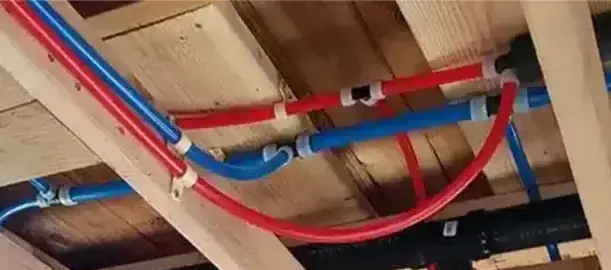
What polybutylene pipe is
Polybutylene (PB) is a flexible plastic water supply pipe that’s often gray. If you see “PB2110” on the pipe near the water heater or under a sink, that’s a common identifier.
When we replace PB in Garden Grove, we focus on the full supply system: the main shutoff connection, the lines feeding fixtures, and the shutoff valves at sinks and toilets (angle stops). After the replacement, we verify the system by isolating zones as needed and doing a controlled pressure check so you’re not guessing.
Signs your home may have polybutylene
- Gray flexible pipe visible near the water heater or under sinks
- PB markings on the pipe (PB2110 is a common marking)
- Older plastic fittings that look stressed or chalky
- You’ve had “random” supply leaks more than once
- Moisture stains that come and go
If you’re not sure, we can confirm it quickly by checking a few common access points.
Why polybutylene fails
Polybutylene systems are known for failure at connection points and fittings. Over time, normal pressure changes, heat, and stress at bends can contribute to cracking or fitting failure. Even if one leak is repaired, another weak point can show up later.
Most polybutylene leaks start at fittings and connection points, not the middle of the pipe. That’s why a “small repair” can turn into another leak somewhere else a few weeks later, especially when the system is already stressed.
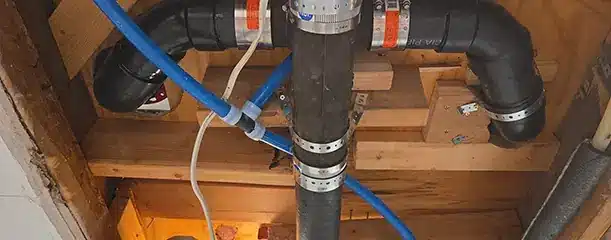
How we confirm what you have
We keep this simple:
- Visual confirmation at accessible areas (water heater, under sinks, laundry)
- Identify PB pipe and the fitting style used
- Check visible shutoffs and transitions at key points
- If needed, isolate sections to confirm where leaks are starting
- Explain options and replacement path in plain words
Replacement options and materials
Most polybutylene replacements involve moving to modern supply piping, typically:
- PEX (flexible routing, fewer joints hidden in walls)
- Copper (rigid, traditional, may need more access depending on layout)
We’ll explain which option fits your layout and access. No pressure, just options.
What the job looks like
- Plan the routing and access points first
- Protect floors, cabinets, and work areas
- Replace the PB supply lines with clean routing and proper transitions
- Update weak shutoffs where needed so future service is easier
- Verify flow and do a controlled pressure check
- Walkthrough so you know what was replaced and what to watch for
We keep cutouts controlled, and we don’t leave you guessing.
What can change the scope
- Access behind cabinets or inside tight walls
- Older shutoff valves that won’t operate reliably
- Multiple remodel layers that hide routing
- Hard-to-reach attic or crawl access
- Evidence of prior hidden leaks or damage
Need a Local Plumber In Garden Grove?

Professional Plumbing provides free plumbing inspections for current homeowners during business hours. A small fee applies for homes in escrow or for sale, which can be credited toward repair costs if we're hired.
What we often see in Garden Grove homes
In Garden Grove, we usually find PB near the water heater, laundry hookups, and under sinks. A lot of times it disappears into walls or attic runs, so the first step is confirming what’s actually there and where it routes.
If your home has had more than one “random” supply leak, polybutylene replacement is often the cleanest way to stop the repeat surprises.
Service area inside Garden Grove
We serve Garden Grove throughout the city, including areas near Garden Grove Park, Historic Main Street, and Steelcraft Garden Grove.
Related repair services
- Leak detection and isolation
- Main water shutoff replacement
- PEX water line repair
- Copper repipe planning
- Water pressure testing
- Water heater connection updates
Polybutylene Pipe Replacement FAQs
Polybutylene is often a gray flexible pipe found near the water heater, under sinks, or in the laundry area. Sometimes it’s marked with PB or PB2110. If you can’t find markings, the pipe type can still be confirmed visually in a few common access points. If you want certainty, a quick on-site confirmation is usually all it takes.
Sometimes you can repair one leak, but polybutylene tends to fail again at another fitting or stressed section. That’s why many homeowners choose replacement after the first or second leak, especially if the leak happened in a wall, ceiling, or other hidden area. The goal is to stop the repeat cycle and reduce the risk of another surprise leak.
Most replacements move to PEX or copper. PEX is flexible and can often be routed with fewer hidden joints, which helps reduce leak points. Copper is rigid and traditional, but it can require more access for routing depending on layout. We’ll explain both options and recommend what fits your home and access.
Sometimes, yes, but not always everywhere. The amount of access depends on how the supply lines were routed and how the home has been remodeled over time. We plan the route first, keep openings controlled, and focus on replacing the failing supply system with the least disruption that still produces a reliable result.
Often it’s a smart upgrade. Older angle stops and the main shutoff can be stiff, worn, or unreliable. If we’re already updating the supply system, replacing weak shutoffs can help prevent future leaks at valves and make future service easier. We’ll point out what’s working and what isn’t, then let you choose.
Many jobs can be completed in a day or two depending on layout, access, and how much of the system is being replaced. If the home has limited access points or multiple remodel layers, it can take longer. Once we confirm the routing and scope, we’ll give you a clear plan so you know what to expect.