


Galvanized Pipe Replacement Garden Grove
Galvanized pipes don’t fail all at once. They usually fail in slow, annoying ways first: weak water pressure, rusty water, random pinhole leaks, and fittings that start weeping under cabinets or behind walls.
Professional Plumbing Inc. handles galvanized pipe replacement in Garden Grove with a clean, step-by-step plan: we confirm what’s actually galvanized, map out the best replacement route, protect your home, replace the right sections (or the full system when needed), then pressure test and verify flow. Your Home First means drop cloths, careful access, clean work, and a walkthrough when we’re done.
Quick answer: Galvanized steel water lines corrode from the inside (tuberculation), which reduces flow, causes rust-colored water, and increases leak risk. Replacing galvanized piping with modern materials like copper or PEX restores pressure and reliability—especially in older homes where the system is at the end of its lifespan.
Tap to Jump
- What galvanized pipe replacement involves
- Signs you may have galvanized pipe problems
- Why galvanized pipes fail in Garden Grove homes
- How we confirm galvanized piping
- Replacement options
- What the replacement process looks like
- What can change the scope
- Service area inside Garden Grove
- Related repair services
- FAQs
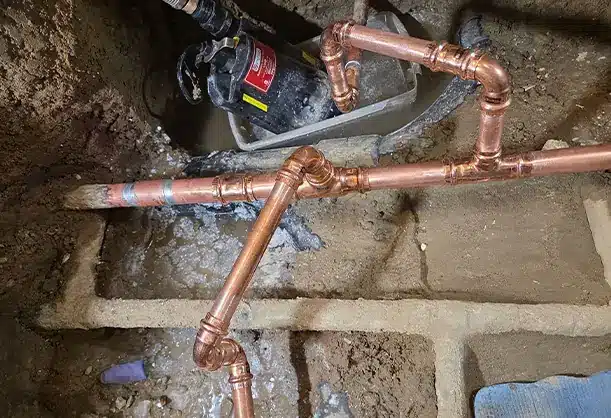
What galvanized pipe replacement involves
Galvanized pipe replacement can mean one section or an entire system, depending on how widespread the corrosion is. Common work includes:
- Replacing exposed galvanized lines under sinks, in garages, or in utility areas
- Replacing galvanized risers feeding bathrooms or kitchens
- Replacing older threaded fittings that keep leaking
- Installing proper transition fittings between materials
- Updating shutoff valves and angle stops when the old ones won’t hold
- Pressure testing after the work to confirm the system is tight
The main goal is simple: stable water pressure, clean water, and fewer surprise leaks.
Signs you may have galvanized pipe problems
- Water pressure has slowly gotten weaker over the years
- Rusty or orange-tinted water, especially after water sits overnight
- Frequent pinhole leaks or “random” small leaks
- Faucets and shower valves clog more often with debris
- One side of the house has weaker pressure than the other
- You see old gray metal pipe with threaded joints under the sink or near the water heater
If you’re not sure what you have, we can confirm it quickly and explain what it means for repairs versus replacement.
Why galvanized pipes fail in Garden Grove homes
Galvanized steel piping was common decades ago. The problem is that the protective coating doesn’t last forever. Over time, the pipe corrodes internally and builds up scale.
That internal buildup is called tuberculation. It narrows the inside diameter of the pipe, which reduces flow and pressure. It also creates rough surfaces inside the pipe, which can trap debris and increase the chances of clogs at fixtures and valves.
The other issue is threaded connections. Old galvanized threads can become brittle and leak when disturbed. That’s why a “small repair” on a galvanized system sometimes turns into a bigger replacement conversation—because the next joint in line may not survive being touched.
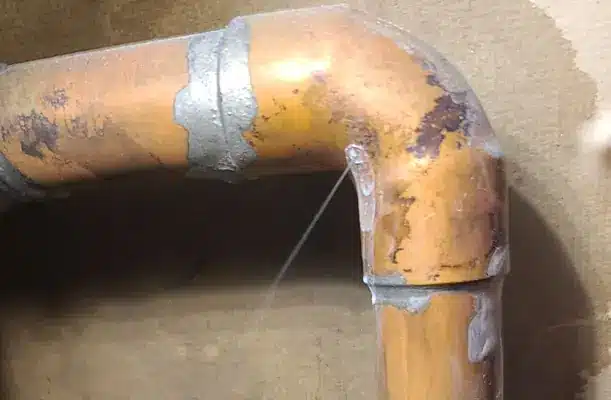
How we confirm galvanized piping
We don’t guess. We look for:
- Gray metal pipe with threaded fittings (not soldered)
- Magnetic response (galvanized steel is usually magnetic)
- Corrosion patterns and rust staining near joints
- Evidence of mixed materials (galvanized tied into copper or PEX with transition fittings)
If the only galvanized sections are short exposed runs, replacement can be simple. If galvanized runs disappear into walls and you’re seeing pressure and rust symptoms everywhere, that leans toward a broader replacement plan.
Replacement options
We’ll explain options and let you choose. No pressure.
Targeted galvanized pipe replacement
Best when:
- The galvanized is limited to a few accessible sections
- Leaks are localized
- The rest of the home’s piping is already updated
This can include replacing a single run, updating fittings, and confirming pressure improves.
Partial repipe
Best when:
- Multiple areas are affected, but not the whole system
- You want to replace the highest-risk sections first
- Access is easier in some areas than others
Full repipe
Best when:
- Pressure is weak throughout the home
- Rusty water and recurring leaks keep happening
- The galvanized network is widespread
Full replacement is the most permanent fix because it removes the failing material from the system instead of chasing one leak at a time.
What the replacement process looks like
Here’s the typical flow:
- Identify where galvanized lines exist and what they feed
- Choose the replacement scope (targeted, partial, or full)
- Plan access points and routing to minimize wall openings
- Shut down water safely and protect the work area
- Remove failing galvanized sections and threaded fittings
- Install new piping (commonly copper or PEX) with correct transitions
- Replace key valves if needed (main shutoff, angle stops, isolation points)
- Pressure test and verify leak-free performance
- Flush lines and verify clean water and stable pressure
- Final walkthrough so you know what was replaced and where
We don’t leave until the system is tested and the cabinet areas are dry.
Need a Local Plumber In Huntington Beach?

Professional Plumbing provides free inspections for current homeowners during business hours. A small fee applies for homes in escrow or for sale; this fee can be credited toward repair costs if we’re hired.
What can change the scope
- Hidden galvanized runs inside walls that aren’t obvious at first
- Old shutoff valves that won’t fully close or won’t reopen reliably
- Mixed-material transitions that were installed incorrectly in the past
- Tight access in crawl spaces or behind built-ins
- Additional fixture supply issues discovered once pressure is restored
If anything changes mid-job, we stop, explain it, and give you options.
Service area inside Garden Grove
We serve Garden Grove throughout the city, including areas near Main Street, the civic center area, and the neighborhoods around local schools and parks.
Garden Grove note: older homes with mixed pipe materials can have uneven pressure from room to room, so we check flow at multiple fixtures after replacement, not just one faucet.
Related repair services
- Whole-home repiping
- PEX water line repair
- Copper pipe repair
- Main water shutoff replacement
- Replace angle stops (fixture shutoff valves)
- Plumbing leak detection
Galvanized Pipe Replacement FAQs
Galvanized water pipe is usually gray metal with threaded fittings, and it often looks older and heavier than modern piping. Many galvanized sections are magnetic and may show rust staining around joints. A common clue is weak water pressure that has slowly gotten worse over time, plus occasional orange-tinted water. The most reliable way is a quick visual check at exposed piping under sinks, near the water heater, in the garage, or where the main line enters the home.
Not always, but galvanized corrosion is a common cause. Rust-colored or orange water can also come from certain fixture parts, sediment issues, or other forms of pipe corrosion. With galvanized, the rust often shows after water sits for a while, and you may also notice pressure drop over time. We look at the piping material, the location of discoloration, and the pattern across fixtures to narrow it down before recommending replacement.
Galvanized pipes can build internal scale called tuberculation. That buildup narrows the pipe from the inside, so even if you “still have water,” you don’t have good flow. Replacing those lines restores the full inside diameter of the pipe, which typically improves pressure and fixture performance. After replacement, we verify the improvement by testing flow at multiple fixtures.
Not always. If the galvanized is limited to a few accessible runs, targeted replacement can make sense. However, if weak pressure and rust symptoms show up throughout the home, or if leaks keep popping up in different areas, a broader plan may save money and headaches over time. We’ll explain what we found and give you options that match your goals.
Common replacement materials include copper and PEX, depending on layout and access. Copper is rigid and durable and works well for many exposed runs. PEX is flexible and often allows cleaner routing with fewer joints inside walls. The best choice depends on your home’s layout and where the existing galvanized lines run.
Yes. If you’re searching “galvanized pipe replacement near me” in Garden Grove, we can inspect the exposed plumbing, confirm what’s galvanized, and recommend a targeted, partial, or full replacement plan. The goal is a tested, leak-free system with improved flow—not a patch that leads to another leak next month.