
Water Heater Service Newport Beach
Call 24/7: (949) 822-9548
Professional Plumbing Inc. — 120 Newport Center Dr #60, Newport Beach, CA 92660
Licensed & Insured — CSLB #517514
No hot water is the worst. And when a water heater starts popping, leaking, or turning your hot water rusty… it usually doesn’t fix itself.
In Newport Beach, water heaters often don’t last as long as people expect. Between coastal air and real water conditions, 6–10 years is common. Most calls we run here are garage corner installs, closet installs, and exterior enclosures—especially around Balboa Island, Corona del Mar, Newport Heights, and the Fashion Island area.
Helpful Pages (Start Here)
- Tank Water Heater Installation Newport Beach
- Tankless Water Heater Installation Newport Beach
- Water Heater Repair Newport Beach
- Tank vs Tankless Water Heater Newport Beach
If you’re not sure, start with Repair. If you already know you’re upgrading or swapping, pick Tank or Tankless.
Repair or Replace
Repair is usually smart when the heater is newer, the problem points to one part, and the tank body isn’t leaking.
Replacement is usually smarter when the tank is leaking, you’re stacking problems (rusty water + noise + weak hot water), or repairs are getting frequent and the unit is older for this area.
What We Check First
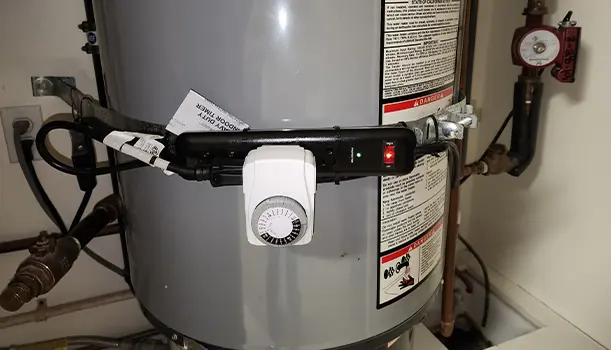
We keep this simple and visual so you’re not guessing. We usually check:
- where the water is actually coming from (tank vs valve vs connection)
- age and condition (including date/serial info when available)
- safety basics like T&P discharge, venting (when gas), shutoffs, and earthquake strapping
- hot water demand vs your current tank size
In Newport Beach, we also check for tight side-yard venting paths and long runs to fixtures, because those details matter more in older pockets near Newport Heights and remodels near Corona del Mar and Dover Shores.
Tank or Tankless? Pick Your Lane
Tank water heaters are usually the simplest option. They’re forgiving in tight garages, closets, and exterior enclosures, and repairs are often part-based.
Tankless water heaters can be a great upgrade, but they work best when the home is set up for them. Depending on the model and layout, tankless can require gas line sizing upgrades, proper venting, a dedicated electrical outlet, condensate drain routing (condensing models), and regular descaling in harder water areas.
In bigger-demand homes up near Newport Coast and parts of Crystal Cove, tankless can feel like the right move—but only if the gas size, venting path, and power are done correctly.
We’ll tell you the honest answer based on your layout and demand, not a script.
Quick Size Guide
- 1 bath: usually 30–40 gallon tank
- 2 baths: usually 40–50 gallon tank
- Bigger demand / back-to-back showers: tankless can be a fit if the home supports it
Failure Signs + Parts
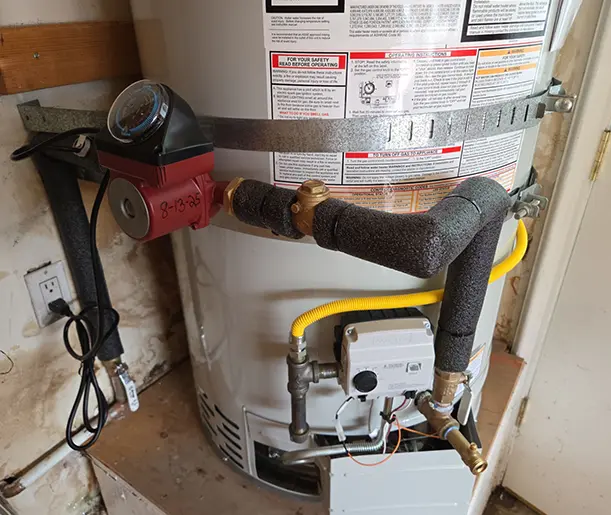
- Rusty or brown hot water often points to the anode rod failing or the tank corroding.
- Popping or rumbling noises usually means sediment buildup heating up inside the tank.
- Water dripping from the discharge pipe is often the T&P valve (temperature/pressure relief valve).
- Drips at the bottom can be a worn drain valve, a loose connection, or a tank issue.
- No hot water (electric) is often a heating element or thermostat issue.
- Hot water goes warm too fast can be undersized capacity, sediment, or a failing part.
- Temperature swings can be thermostat/control issues, flow issues, or a setup issue.
If the tank body is leaking or heavily corroded, replacement is usually the real fix.
Why Water Heaters Leak
Common leak causes include a failing T&P valve, a worn drain valve, loose or aging connections, corrosion that started small and got worse, and heavy sediment buildup stressing the system.
We locate the real leak point before we call it a dead tank.
What a Proper Replacement Includes
A proper replacement usually includes safe shut down (water + gas or power), drain/disconnect/remove the old unit, set and secure the new unit correctly, correct reconnection and leak checks, and a full performance test and walkthrough.
In California, it also commonly includes earthquake strapping, a correct gas shut-off valve setup (for gas units), proper water flex lines (when appropriate), and the correct venting connection (gas) or safe electrical connection (electric).
Need a Local Plumber In Huntington Beach?

Professional Plumbing provides free inspections for current homeowners during business hours. A small fee applies for homes in escrow or for sale; this fee can be credited toward repair costs if we’re hired.
Maintenance That Matters
- A tank flush (when appropriate) helps control sediment buildup.
- Tankless descaling is often yearly, sometimes more depending on conditions.
- Keeping service access clear makes maintenance possible.
Service Area
Serving Newport Beach and nearby neighborhoods like Balboa Island, Lido Isle, Corona del Mar, Dover Shores, Newport Coast, and Newport Heights, plus the main corridors near PCH and MacArthur.
Most calls we run in Newport Beach involve garage installs, closet installs, and exterior enclosures, so we pay extra attention to venting paths, shutoffs, and service access.
Water Heater Service Newport Beach FAQs
In Newport Beach, 6–10 years is common because coastal air and local water conditions can speed up wear on tanks and valves. Maintenance helps performance, but it can’t stop normal aging. If your unit is in that range and you’re noticing rusty hot water, rumbling, or slower recovery, it’s smart to check it before a small issue becomes a leak.
Popping or rumbling is often sediment buildup inside the tank. As the burner or element heats, trapped water and minerals make crackling or thumping sounds. A flush can help in the right situation, but age and condition matter. If the heater is older and already struggling, we look at the whole system first so you don’t waste money on a short-term fix.
Not always. Water at the base can come from the drain valve, a fitting, the T&P discharge line, or a slow connection leak that runs down the jacket. The important part is finding the exact source. If the tank body is leaking or corroded through, replacement is usually the real fix. If it’s a valve or connection, you may have repair options.
A common cause is a worn anode rod, which is designed to take the corrosion hit before the tank does. As it weakens, you can see discoloration or a metallic smell in hot water. Rusty water can also mean internal tank corrosion has started. The right move depends on age, the condition of the tank, and whether the issue is only on the hot side.
No. Tankless can be great for longer continuous hot water, but it’s more sensitive to setup details and maintenance. The home may need correct gas line sizing, proper venting, a dedicated electrical outlet, and (for condensing models) a condensate drain. A tank water heater is often simpler, more forgiving in tight installs, and still a solid choice when sized correctly.
Yes. Most tankless units need power for ignition, controls, and safety systems, even if they heat water with gas. A proper outlet matters because extension cords and “temporary” power setups cause problems later. If the unit is outdoors or in a damp area, the outlet and protection need to match the environment so it stays safe and reliable.
Often, yes—especially when gas, venting, electrical, or a location change is involved. Permits help ensure safety basics like earthquake strapping, proper relief discharge routing, and correct venting where required. The exact requirement depends on what’s being replaced and how it’s installed, so we confirm it before the job starts and keep it straightforward.
A quick starting point is 30–40 gallons for many 1-bath homes and 40–50 gallons for many 2-bath homes, but the real answer depends on household size and how you use hot water. Back-to-back showers, laundry, and guest use can change the sizing fast. We look at demand and recovery so you get steady hot water without overspending.