Your Expert Guide to 1/4 Natural Gas Line Safety in Huntington Beach
Thinking about adding a cozy gas fireplace to your Huntington Beach home or troubleshooting a pilot light in your classic downtown cottage? You’ve probably come across the term 1/4 natural gas line. Hi, I’m William Horsky, a master plumber who’s spent the last 42 years working in homes just like yours across Huntington Beach, from the historic downtown area to the newer builds in SeaCliff. These small gas lines are workhorses for specific jobs, but they have to be handled with care. They’re perfect for low-power appliances like pilot lights and decorative gas logs, but they’re definitely not for your main furnace or water heater. The most important thing to remember is that safety is everything. A properly installed line keeps your family safe, while a mistake can be dangerous. That’s why understanding what these lines are for—and what they’re not for—is so important for every Huntington Beach homeowner.
Your nose, ears, and eyes are your best first defense against a gas leak. If you notice any of these signs, act immediately:
- Smell: A rotten egg or sulfur odor (added by gas companies to odorless natural gas)
- Sound: Hissing or whistling near gas lines or appliances
- Sight: Dead vegetation, bubbling water or mud, or blown dust near outdoor lines
I’ve seen how proper installation prevents dangerous leaks and keeps families safe, especially here in Huntington Beach where the salt air can cause corrosion. My goal is to give you the clear, honest information you need.

So, What Exactly Is a 1/4-Inch Gas Line?
You can think of a 1/4-inch gas line as a specialty tool in your home’s gas system. It’s a small tube, usually made of flexible copper or aluminum, designed to deliver just a tiny, steady stream of gas. It’s not the big pipe that fuels your high-demand appliances. Instead, its job is to power the small stuff. We install them all the time for pilot lights in older furnaces near the ‘Five Points’ intersection or for those beautiful gas log sets that are so popular in Huntington Harbour homes. They’re also great for small garage heaters or a compact patio grill, as long as the appliance doesn’t need a lot of fuel (what we call low-BTU).
Does Size Really Matter for Such a Small Line?
You might be thinking, ‘It’s just a tiny pipe, how important can the size be?’ The answer is: critically important. Every gas appliance has a specific fuel requirement, measured in BTUs (British Thermal Units). If the line is too small for the appliance and the distance it has to travel, the gas pressure drops. It’s like trying to drink a thick milkshake from Ruby’s Diner on the pier through a coffee stirrer—you just can’t get enough. This ‘starves’ the appliance, leading to a weak, yellow, sooty flame or preventing it from lighting at all. More dangerously, it can cause incomplete combustion, which produces deadly carbon monoxide. This is why we’re so meticulous when sizing lines, especially in some of the older Huntington Beach homes where the original gas system might not be up to modern demands.
Common Uses for a 1/4″ Gas Line in Huntington Beach
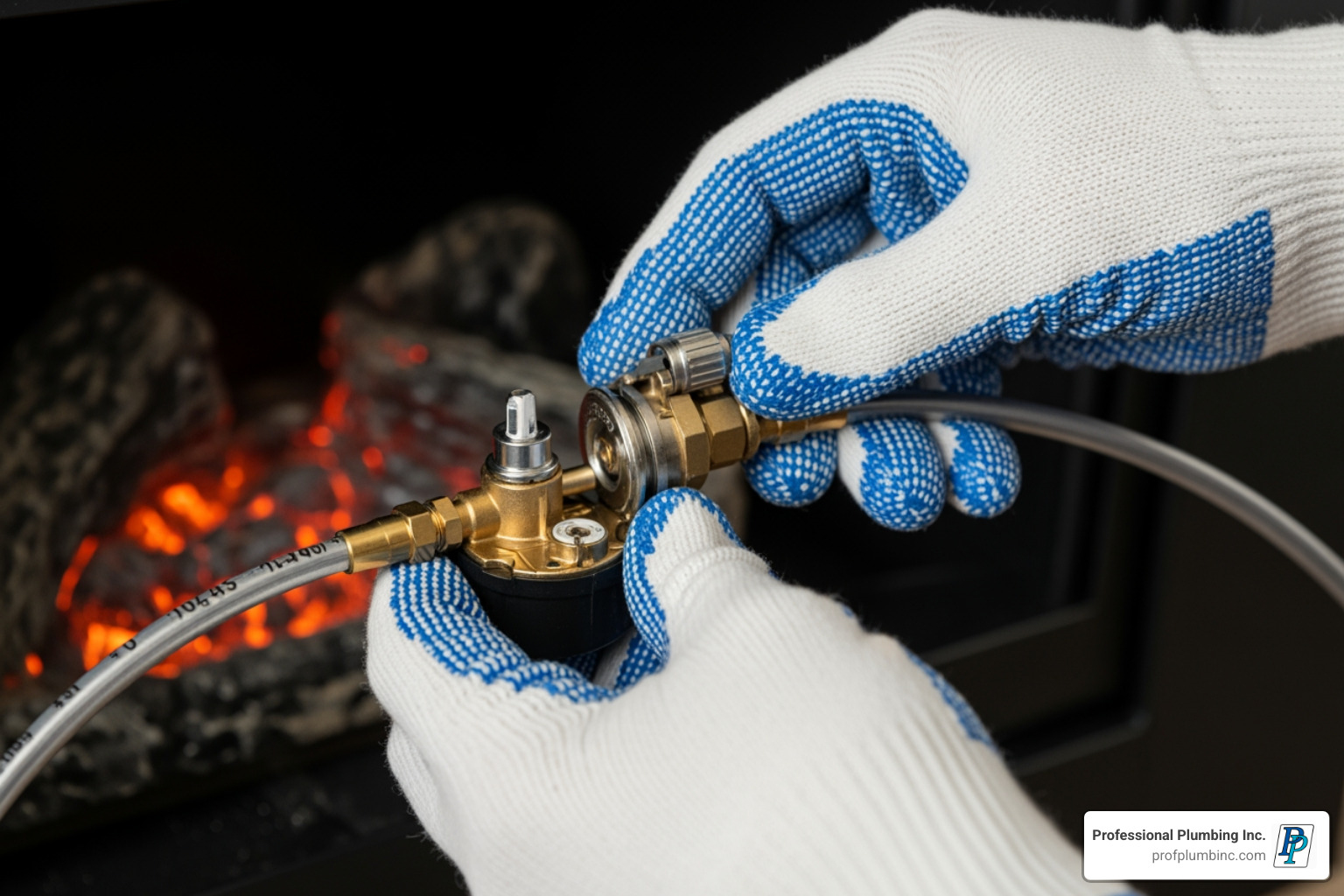
In homes across Huntington Beach, we typically see 1/4-inch natural gas lines used for appliances with very low BTU requirements. These aren’t your main kitchen range or water heater; rather, they serve specific, smaller functions.
The most common application we encounter is for pilot lights. Many gas fireplaces, water heaters, and furnaces, especially older models, rely on a constant, small flame from a pilot light to ignite the main burner when called upon. A 1/4-inch line is perfectly suited to deliver the minimal gas needed to keep that pilot lit. We also frequently install these lines for gas log sets in decorative fireplaces, which often have lower BTU outputs than a full-fledged heating appliance. Some small, portable outdoor grills or specialized garage heaters might also use a 1/4-inch line, provided their BTU demand falls within the line’s capacity. For instance, a typical gas log set might require around 40,000 BTU, which a properly sized 1/4-inch line can often handle over short distances.
Sizing a 1/4-inch Natural Gas Line Correctly
Sizing a gas line, even a small 1/4-inch natural gas line, is a critical step that directly impacts both performance and safety. It’s not as simple as just connecting the appliance; we need to consider the BTU load of the appliance, the length of the pipe run, and the potential pressure drop over that distance.
First, identify the appliance’s BTU requirement. This is usually listed on the appliance’s data plate or in its manual. For example, a pilot light might only need a few thousand BTU, while a small gas log set could be 20,000-40,000 BTU.
Next, measure the actual length of the gas line from the main supply point to the appliance. This is where the “length matters” principle comes into play. A 1/4-inch natural gas line that’s only 10 feet long can deliver significantly more BTU than the same line stretched to 40 feet. Why? Because gas loses pressure as it travels through a pipe – this is called pressure drop. The longer the pipe, the more pressure is lost, and the less gas can be delivered. Our experience shows that for every fitting (elbows, tees, valves), you should add approximately 5 feet to the pipe’s effective length when calculating pressure drop. This is a crucial detail often overlooked by DIYers.
To ensure proper sizing, we consult detailed gas pipe sizing charts. These charts, like those found on sites such as fireplacedoorsonline.com, provide BTU capacities for various pipe diameters and lengths. For instance, a 1/4-inch copper line might only be suitable for very low BTU applications over very short runs. If your appliance requires, say, 40,000 BTU and the run is 30 feet, a 1/4-inch line might be completely inadequate, requiring a larger diameter pipe instead. This is particularly important for outdoor fire pits and grills here in Huntington Beach, where backyard living is a huge part of the lifestyle, often requiring longer gas line runs. Always compare the appliance’s specifications with the chart’s capacity for the specific pipe size and length you’re considering.
Natural Gas vs. Propane: Key Differences
While both natural gas and propane are common fuel sources in Huntington Beach homes, their properties and installation requirements differ significantly, especially when it comes to sizing a 1/4-inch gas line.
| Feature | Natural Gas | Propane (LP) |
|---|---|---|
| BTU/Cubic Foot | Approximately 1,000 BTU | Approximately 2,516 BTU |
| Operating Pressure | Nominal 3.5 inches water column at burner (5-7 inches machine supply) | Nominal 11 inches water column at burner (after regulation) |
| Density | Lighter than air | Heavier than air |
| Source | Piped from utility (e.g., SoCalGas) | Stored in tanks |
| Pipe Sizing | Requires larger pipe diameter for same BTU load and distance compared to propane | Can often use smaller pipe diameter for same BTU load and distance compared to natural gas |
The most significant difference when sizing a 1/4-inch gas line is the BTU content per cubic foot. Propane packs more than twice the energy of natural gas per cubic foot (2,516 BTU vs. 1,000 BTU). This means that for the same BTU appliance, a propane line can often be a smaller diameter than a natural gas line over the same distance, or a 1/4-inch propane line will have a higher BTU capacity than a 1/4-inch natural gas line.
Additionally, the operating pressures are different. Natural gas operates at a lower pressure than propane. These differences necessitate separate sizing charts and distinct regulator requirements. For example, if you’re converting an appliance from natural gas to propane or vice versa for your home near Edison High School, it’s not just a matter of changing the fuel; the gas line sizing and regulation must be re-evaluated by a professional to ensure safety and efficiency.
Installing a 1 4 Natural Gas Line: Materials, Tools, and Techniques
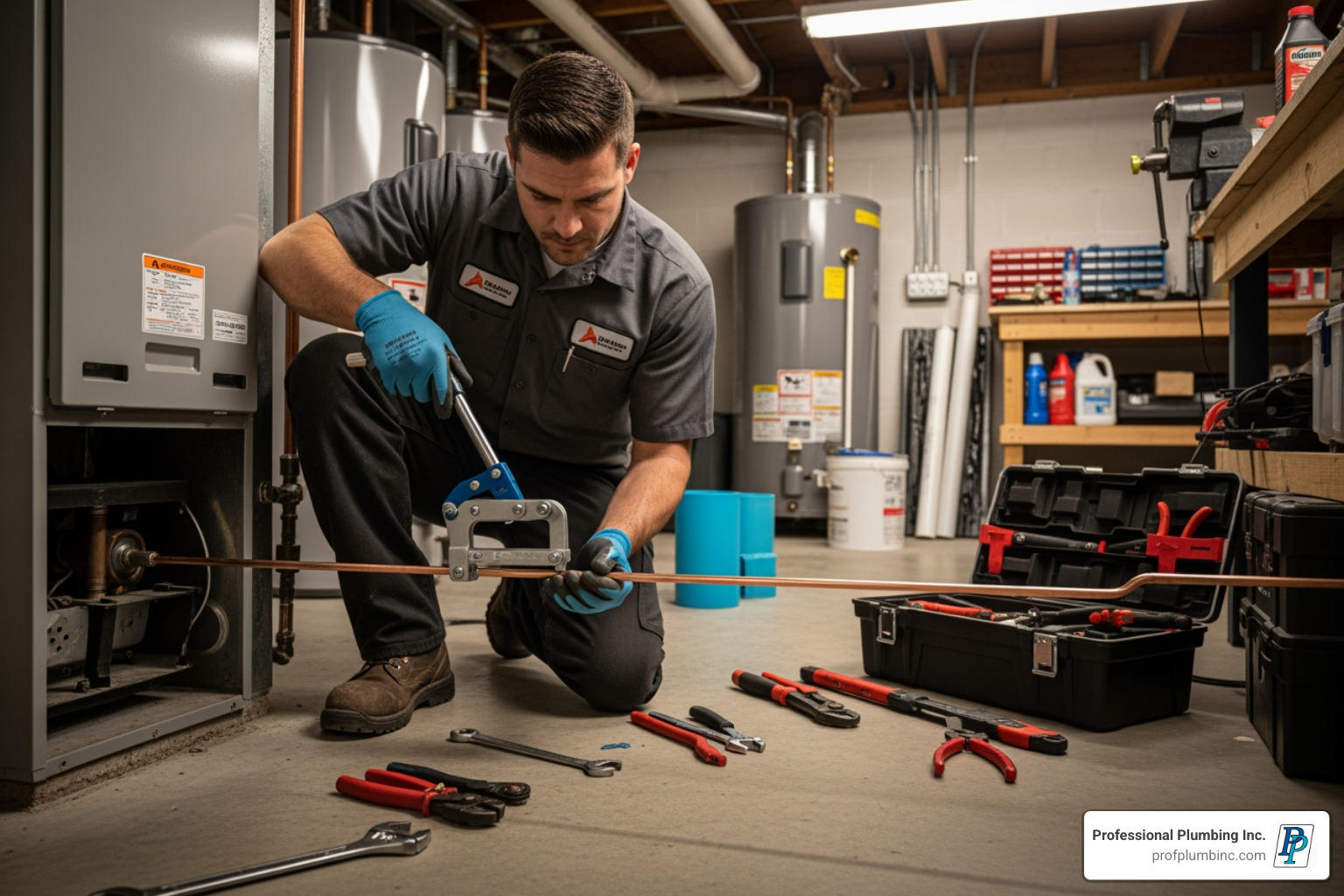
Installing a 1/4-inch natural gas line might seem straightforward due to its small size, but it requires precision, the right materials, and specialized tools to ensure safety and code compliance. We emphasize that gas line work is not a DIY project and should always be handled by licensed professionals.
Approved Materials for Small Gas Lines
When working with 1/4-inch natural gas lines in Huntington Beach, we primarily use specific approved materials that are durable and safe for gas transport.
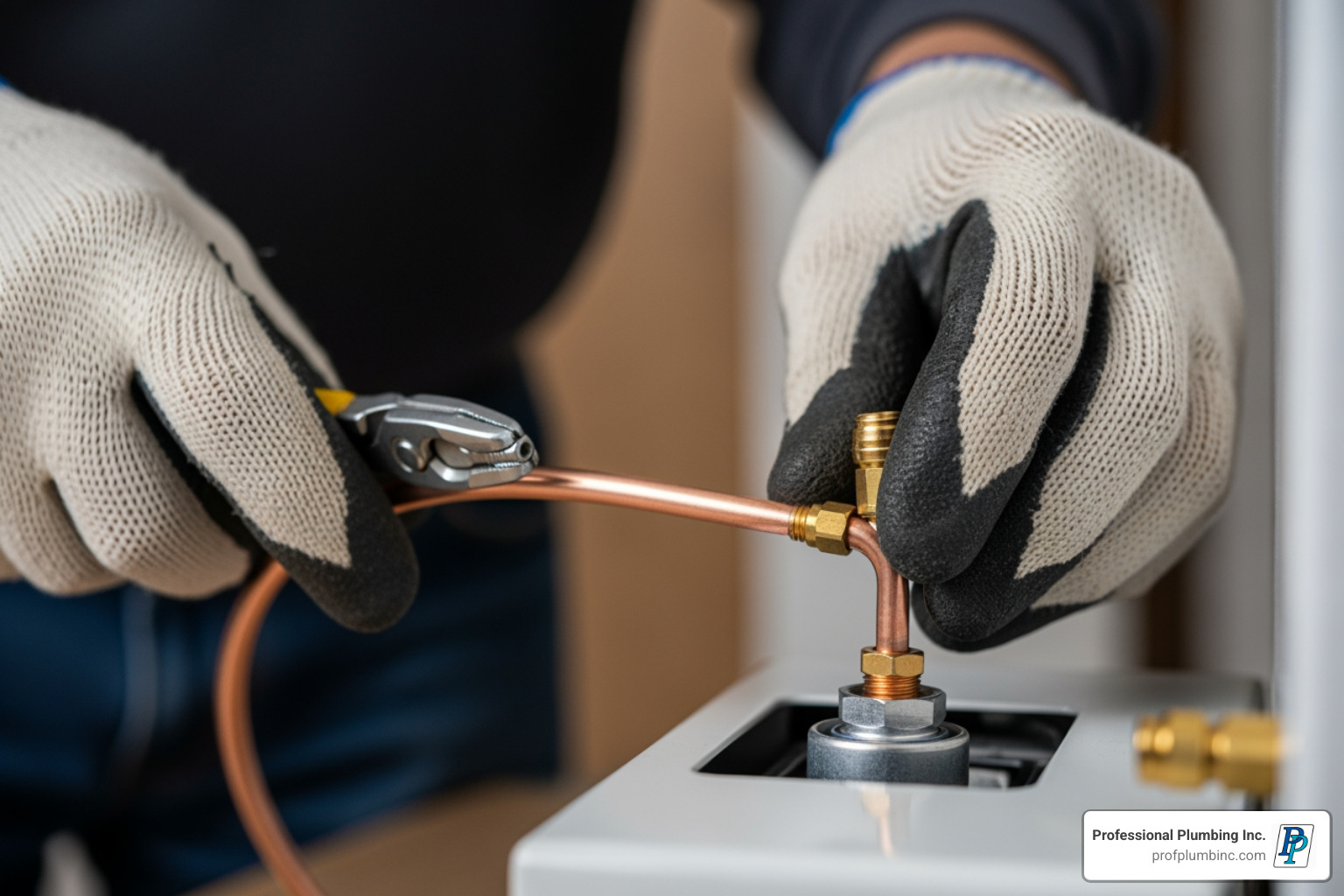
- Copper Tubing: This is a very common and approved material for small gas lines, especially for pilot lights and appliance connectors. It’s flexible, corrosion-resistant, and relatively easy to bend with the right tools. However, local codes in Huntington Beach may have specific requirements or restrictions on its use, particularly if it’s buried or passes through certain materials. We always check with the local Huntington Beach Building & Safety Department because some municipalities allow copper tubing for gas, while others do not.
- Aluminum Tubing: Less common but also approved for certain low-pressure, low-BTU applications. Aluminum is very pliable, which means it can be bent easily, but this also makes it more susceptible to kinking if not handled with care.
- Steel Tubing: While black iron pipe is a common material for larger gas lines, 1/4-inch steel tubing is rarely used for internal appliance connections due to its rigidity and the specialized tools required for bending and threading.
Not all materials are created equal, and some are explicitly prohibited. For instance, plastic pipe (like that used for service lines by Peoples Gas) is typically for larger underground service lines and not for interior 1/4-inch natural gas line connections to appliances. We also need to consider environmental factors. In a coastal community like Huntington Beach, the salt air can accelerate corrosion on certain metals, making material selection and proper installation critical for long-term durability. We ensure that any material used is not only approved but also suitable for the specific installation environment.
Tools and Techniques for a Safe Installation
Proper installation of a 1/4-inch natural gas line demands specific tools and techniques to prevent leaks and ensure optimal performance. Our team always uses professional-grade equipment and follows industry best practices.
Here are the essential tools we use:
- Tubing Bender: This is non-negotiable. While aluminum tubing might seem pliable enough to bend by hand, doing so almost guarantees kinks, which restrict gas flow and create weak points. A tubing bender, like those shown in the research (e.g., this type of bender), allows for smooth, precise bends without kinking the tube. For more open bends, an external bending spring can also be used. When bending, we always proceed slowly and make multiple small adjustments rather than one sharp bend.
- Flaring Tool: Many 1/4-inch natural gas line connections use flare fittings, which create a gas-tight seal by flaring the end of the tubing. A proper flaring tool is essential for creating a perfectly shaped flare that mates correctly with the fitting.
- Pipe Wrenches: For tightening connections.
- Gas Leak Detector Solution: After every installation or repair, we always apply a gas leak detector solution to all connections. This solution bubbles if there’s even a tiny leak, providing an immediate visual confirmation of a gas-tight seal.
When making connections, we primarily use flare fittings for copper and aluminum 1/4-inch natural gas lines. Compression fittings are generally not recommended for natural gas lines due to potential leakage over time, although they might be seen in some older, non-code-compliant installations. Threads on fittings must be properly sealed using approved pipe thread sealant or Teflon tape specifically rated for gas. Our professional plumbers are trained to ensure every connection is secure and leak-free, safeguarding your Edwards Hill or Downtown Huntington Beach home.
Safety Codes and Common Hazards
Safety is paramount when dealing with any gas line, especially small ones like a 1/4-inch natural gas line. The dangers of gas leaks – explosions, fires, and carbon monoxide poisoning – are severe. That’s why strict code compliance and professional installation are not just recommendations, but legal and safety necessities in Huntington Beach.
Navigating Local Codes in Huntington Beach
When we work on gas lines in Huntington Beach, we adhere strictly to the California Plumbing Code (CPC), which is often supplemented by the city’s municipal codes. These codes govern every aspect of gas line installation, from material selection to burial depth.
Key regulatory points for even a 1/4-inch natural gas line include:
- Permit Requirements: Most gas line installations or modifications require permits and inspections from the Huntington Beach Building & Safety Department. We always ensure all necessary permits are obtained before starting work.
- Minimum Burial Depth: For any exterior gas lines, minimum burial depths are mandated. While larger service lines (not typically 1/4-inch natural gas lines) have specific depths (e.g., no less than 12 inches on private property and 18 inches on public property), any outdoor gas line must be adequately protected from physical damage.
- Sleeving Through Concrete or Masonry: If a gas line, regardless of size, passes through a concrete slab, foundation wall, or masonry, it must be properly sleeved. This means the pipe is encased in a protective sleeve (often plastic) to prevent abrasion and corrosion. The gap between the sleeve and the pipe must be sealed. Our experience in the SeaCliff community often involves ensuring compliance with these specific requirements for outdoor kitchens or fire pits.
- Support Requirements: Gas lines must be adequately supported to prevent sagging or undue stress on fittings. The code specifies maximum unsupported lengths for different pipe materials and sizes.
- Separation from Other Utilities: When installing outdoor gas lines, a minimum radial separation of 12 inches must be maintained from all other utilities, conduits, ducts, and similar structures.
Ignoring these codes can lead to dangerous situations, failed inspections, and costly repairs. For more detailed information on gas line repair services and code compliance, you can visit our dedicated page: Gas Line Repair Orange County.
Common Problems with a 1 4 natural gas line
Despite their small size, 1/4-inch natural gas lines are susceptible to several common problems and hazards that we frequently encounter in Huntington Beach homes.
- Kinked Tubing: As discussed, bending these small lines without a proper tubing bender almost always results in kinks. Kinks restrict gas flow, leading to appliance malfunction, and can also create weak points that are prone to future leaks.
- Improper Fittings: Using incorrect fittings (like standard compression fittings not rated for gas) or improperly installing flare fittings are major sources of leaks. Our team always uses approved gas-rated fittings and ensures they are tightened to specification.
- Corrosion: In coastal areas like Huntington Beach, where salt air is prevalent, metal gas lines can be prone to corrosion, especially if exposed or not properly protected. This can weaken the pipe over time and lead to leaks.
- Physical Damage: Even small gas lines can be damaged by accidental impacts, especially if they are exposed in basements, garages, or crawl spaces. We’ve seen lines damaged during renovations or by pests. Ensuring lines are properly routed and protected is essential.
- Undersizing: As mentioned, if a 1/4-inch natural gas line is used for an appliance that demands more BTU than the line can deliver, it will lead to poor appliance performance. While not an immediate leak hazard, it can cause incomplete combustion, which produces carbon monoxide – a silent killer.
To avoid these hazards, always use a licensed professional for installation and adhere to code. If you ever suspect a gas leak (smell, sound, or sight), evacuate immediately and contact your gas utility and a professional plumber. For more information on what to do if you suspect a gas leak, resources like SoCalGas’s safety page provide critical instructions. Never try to fix a gas leak yourself.
Flexible Connectors vs. Rigid Piping
When connecting a gas appliance, especially those that might need to be moved for cleaning or maintenance, homeowners often wonder whether to use a flexible gas connector or rigid piping. Both have their appropriate uses, advantages, and strict limitations, even for a 1/4-inch natural gas line.
When to Use a Flexible Gas Connector
Flexible gas connectors, typically identified by their yellow coating, are designed for specific applications, primarily to connect movable appliances to a rigid gas supply line.
- Connecting Appliances: They are ideal for connecting appliances like gas dryers or ranges in Huntington Beach homes, allowing the appliance to be pulled out for service or cleaning without disconnecting the gas.
- Length Limitations: These connectors have strict length limitations, typically 3 feet, though for ranges and clothes dryers, 6 feet is generally allowed. Using a connector that is too long can create excess slack that is prone to kinking or damage.
- Cannot Be Concealed: A crucial code requirement is that flexible connectors cannot be run through walls, floors, ceilings, or any other concealed space. They must always be visible and accessible. This means you can’t run a flexible connector from behind a wall to your gas log set; it needs to connect to a rigid stub-out.
- Easy Replacement: They are designed for easy replacement, which is important as they have a finite lifespan and should be checked periodically for signs of wear or damage.
While convenient, flexible connectors are not a substitute for rigid piping for longer runs or permanent installations.
The Case for Rigid Piping
Rigid piping, such as black iron pipe or approved copper tubing, is the backbone of your home’s gas delivery system. Even for applications that might start with a 1/4-inch natural gas line, rigid piping is often the preferred choice for safety and durability.
- Longer Runs: For any significant distance, rigid piping is required. It provides the structural integrity and flow capacity needed for long runs, such as bringing gas to an outdoor grill in your Huntington Harbour backyard or extending a line to a new gas fireplace in your Brightwater home.
- Permanent Installations: For fixed appliances or any gas line that is intended to be permanent and not moved, rigid piping is the standard.
- Protection from Damage: Rigid pipes are more robust and less susceptible to kinking or physical damage than flexible connectors, especially when routed through walls, floors, or in vulnerable areas. When properly installed and supported, they offer superior protection.
- Professional Installation Required: Due to the tools, techniques, and code compliance involved, rigid gas piping always requires professional installation. This ensures proper sizing, secure connections, and adherence to all local regulations in Huntington Beach.
In summary, flexible connectors offer convenience for movable appliances over short, exposed distances, while rigid piping provides the long-term safety, capacity, and durability for the vast majority of gas line installations. We always assess the specific needs of your appliance and home to recommend the safest and most compliant solution.
Your Local Experts for Safe Gas Line Solutions
When it comes to gas lines, whether it’s a small 1/4-inch natural gas line for a pilot light or a larger line for a furnace, safety is paramount. Our team at Professional Plumbing Inc. cannot stress this enough: gas line work is not a task for the inexperienced. The risks associated with improper installation or repair are too great, potentially leading to leaks, fires, explosions, or carbon monoxide poisoning.
Proper installation ensures not only the safety of your home and family but also the efficient operation of your gas appliances. An incorrectly sized or poorly installed line can lead to appliance malfunction, increased energy consumption, and premature wear. With over 40 years of experience serving Huntington Beach, from Bolsa Chica to Huntington West, we pride ourselves on providing honest, upfront pricing, skilled plumbers, and guaranteed workmanship. We ensure fast, clean, and hassle-free solutions for all your gas line needs, adhering to the strictest local and state codes.
Need Help with Your Gas Line?
If you’re considering a new gas appliance hook-up, suspect a leak, or need to ensure your existing gas lines are code-compliant, don’t hesitate to reach out. Our services include:
- Gas Line Installation: From new appliance connections to extending lines for outdoor living spaces.
- Leak Detection and Repair: Using advanced techniques to quickly and accurately find and fix gas leaks.
- Appliance Hook-Ups: Ensuring your gas appliances are connected safely and efficiently.
- Code Compliance Checks: Verifying that your gas system meets all local regulations.
Your safety is our top priority. Let our licensed and experienced plumbers handle your gas line needs with the expertise you deserve. Schedule your gas line service in Huntington Beach today or call us to discuss your specific requirements. We’re here to help keep your Huntington Beach home safe and comfortable.