
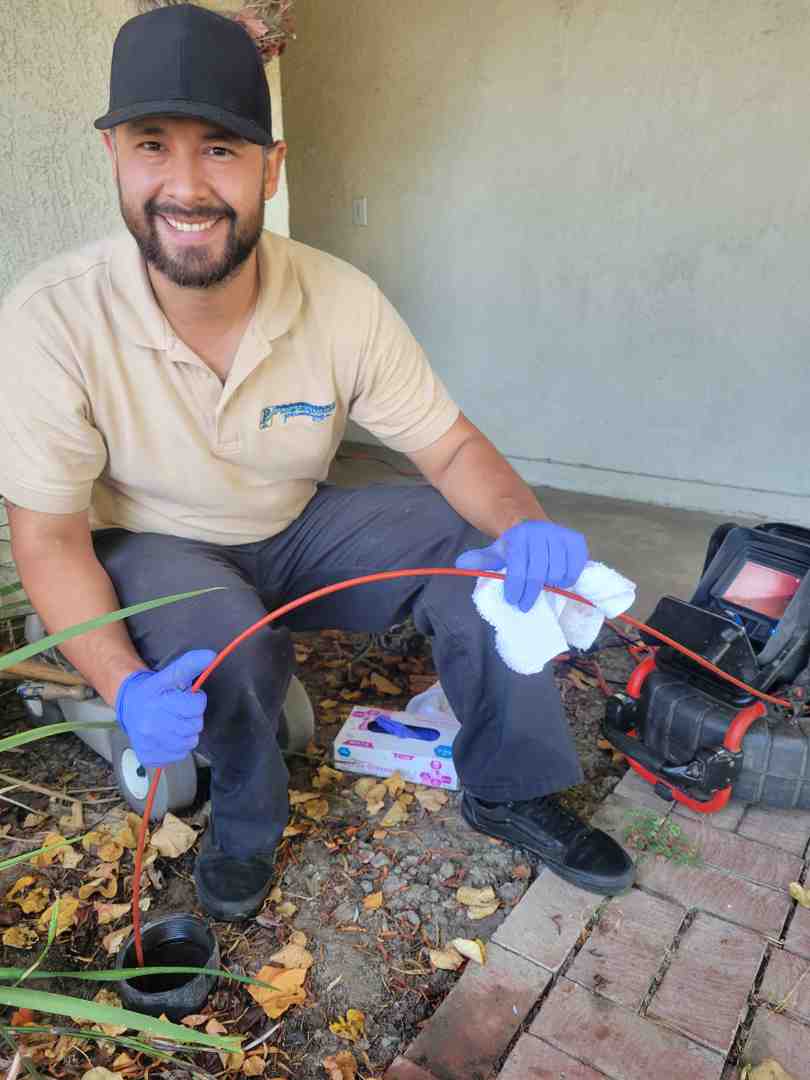
How often should plumbing be inspected: 5 Pro Tips
Why Your Home’s Plumbing Needs Regular Attention
How often should plumbing be inspected? For most Orange County homes, a professional plumbing inspection once a year, paired with monthly DIY checks, is ideal. However, the right schedule depends on your home’s age, location, and specific conditions.
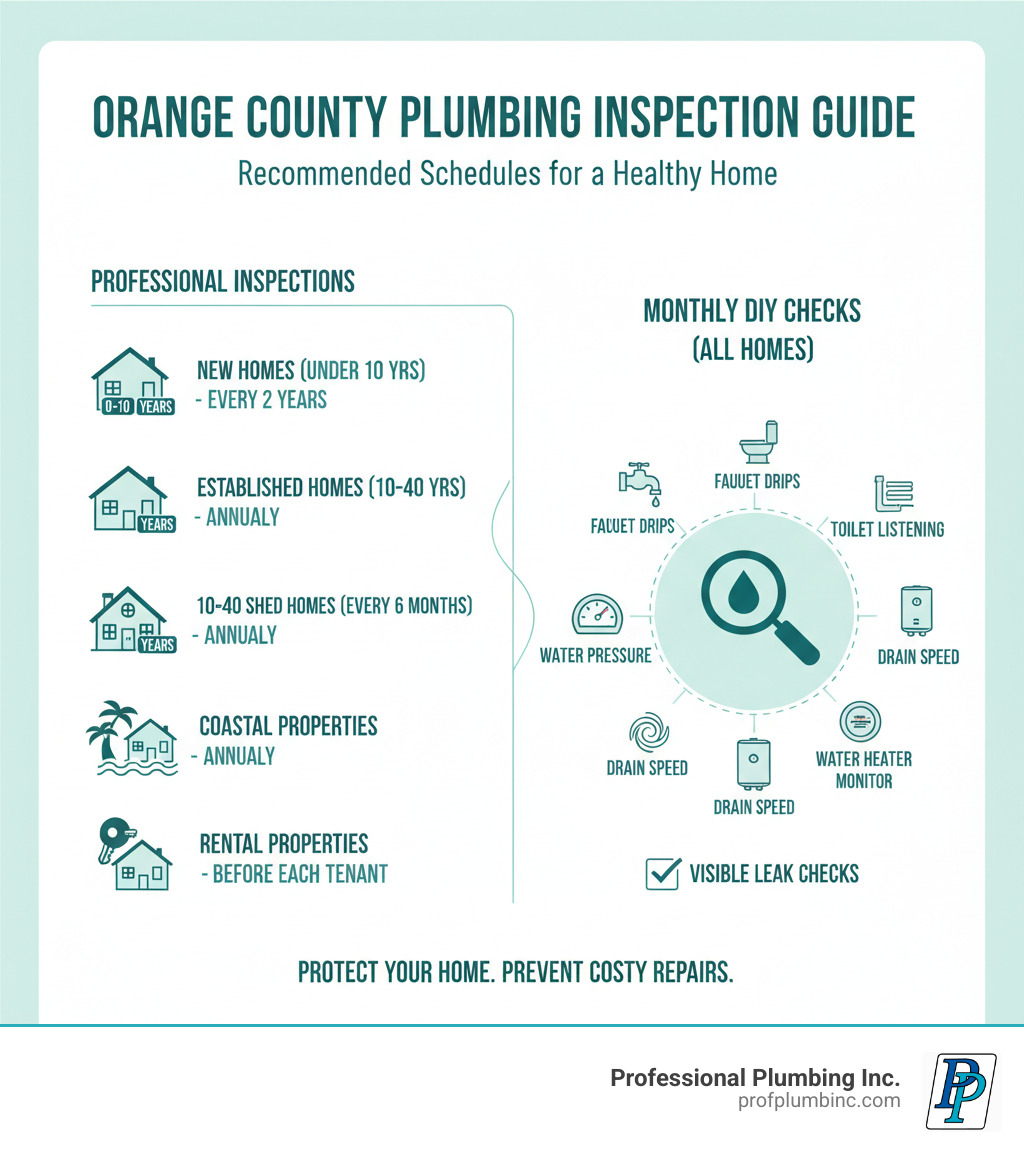
Quick Answer: Recommended Inspection Frequency
| Home Type | Professional Inspection | DIY Checks |
|---|---|---|
| New homes (under 10 years) | Every 2 years | Monthly |
| Established homes (10-40 years) | Annually | Monthly |
| Older homes (40+ years) | Every 6 months | Monthly |
| Coastal properties | Annually | Monthly |
| Rental properties | Before each new tenant | Monthly |
Most homeowners only think about plumbing when there’s a problem. But a tiny, hidden leak can silently cause rot and mold for months. Regular inspections catch these issues early, when they are cheap and easy to fix.
The real cost of waiting? A small pipe repair might cost a few hundred dollars. If that same issue becomes a slab leak, you could face thousands in repairs and major disruption to your home.
Think of plumbing inspections like oil changes for your car—they are essential preventative maintenance. In areas like Huntington Beach, Costa Mesa, and Fountain Valley, factors like hard water and coastal salt air accelerate wear and tear, making a custom approach crucial.
I’m William Horsky, and with over 42 years as a master plumber in Orange County, I’ve seen that the answer to how often should plumbing be inspected varies. This guide will help you create the right schedule for your home to avoid expensive surprises.
The General Rule vs. Your Home’s Unique Needs
Many sources suggest a yearly professional inspection, but that’s often an oversimplification. How often should plumbing be inspected truly depends on your home’s unique story. A 1950s Huntington Beach bungalow has different needs than a new build in Irvine, and coastal salt air presents different challenges than hard water in Garden Grove.
We recommend combining annual professional inspections with your own monthly DIY checks. This strategy allows you to spot obvious issues like a dripping faucet, while our annual inspection uncovers hidden problems like a slow leak inside a wall or tree roots in your sewer line.
Local conditions matter. Homes near Mile Square Park in Fountain Valley contend with tree roots, while Costa Mesa properties often battle mineral buildup from hard water. Coastal homes in Huntington Beach or Newport Beach face corrosive salt air that damages outdoor fixtures. A cookie-cutter maintenance plan simply doesn’t work for the diverse homes in Orange County.
| Feature | DIY Plumbing Checks | Professional Inspections |
|---|---|---|
| Frequency | Monthly, or as needed | Annually (general recommendation), or more frequently based on specific factors |
| Scope | Visible pipes, faucets, toilets, water meter, basic drain function, water heater exterior | Comprehensive system evaluation: hidden pipes, sewer lines (camera inspection), water pressure, drainage, appliance connections, code compliance, water quality |
| Tools Needed | Eyes, ears, flashlight, food coloring, possibly a simple pressure gauge | Specialized video cameras, advanced leak detection equipment, pressure gauges, diagnostic tools |
| Expertise | Basic homeowner awareness | Licensed, insured, experienced plumbers with in-depth knowledge of plumbing systems and local codes |
| Problem Detection | Obvious leaks, drips, slow drains, running toilets, unusual meter activity | Hidden leaks, root intrusion, pipe corrosion/degradation, potential future blockages, issues impacting water quality or structural integrity |
| Cost | Free (time investment) | Service fee (investment in prevention) |
| Benefits | Early warning signs, immediate action on visible issues, increased homeowner awareness | Prevents costly emergencies, extends system lifespan, reduces water bills, ensures safety & compliance, maintains property value, peace of mind |
DIY Checks You Can Do Monthly
These simple monthly checks take just a few minutes and can save you thousands.
- Look for visible pipe leaks: Use a flashlight to check under sinks and behind toilets for moisture, drips, or corrosion.
- Check every faucet for drips: A single drip per second wastes over 3,000 gallons a year. That’s money down the drain.
- Listen for running toilets: Add a few drops of food coloring to the toilet tank. If color appears in the bowl within 10 minutes (without flushing), you have a leak.
- Test your water pressure: If the flow from your faucets seems weak, it could signal a leak or a clog.
- Watch how fast your drains empty: Slow drains are an early warning sign of a developing blockage.
- Inspect your water heater: Look for rust, corrosion, or any water pooling around the base.
- Monitor your water meter: Turn off all water-using appliances. If the meter’s dial is still spinning, you have a hidden leak.
Why a Professional Inspection is Crucial
While your checks catch surface-level issues, our professional inspections find problems hiding in your walls, under your foundation, and in your sewer lines.
We use specialized tools like high-tech leak detection equipment and hydro-jetting machines to find and fix problems without guesswork. Our sewer camera inspections are a game-changer, allowing us to see the exact condition of your pipes and spot tree root intrusion or cracks before they cause a catastrophic failure.
As licensed plumbers, we ensure your system meets all local code compliance standards, which is crucial for safety, especially in older Orange County homes. Our local experience means we know the specific challenges of your neighborhood, from aggressive tree roots in Fountain Valley to hard water in Garden Grove and coastal corrosion in Huntington Beach. This is expertise you can’t get from a YouTube video.
For a comprehensive evaluation of your home’s plumbing system, we encourage you to learn more about our comprehensive Plumbing Inspections.
How Often Should Plumbing Be Inspected Based on Key Factors?

The annual inspection is a good starting point, but your home’s age, location, water quality, and usage all play a role. A 50-year-old home in historic Huntington Beach has different needs than a new build in Irvine. How often should plumbing be inspected depends on these specific factors.
How Often Should Plumbing Be Inspected Based on Home Age and Location?
Plumbing systems age. A home built in 1960 near Mile Square Park in Fountain Valley needs more attention than one built last year in Newport Coast.
- New homes (under 10 years): A professional inspection every two years is usually sufficient. Pipes are modern, but it’s wise to check for any initial installation issues.
- Established homes (10-40 years): It’s time for annual inspections. This covers most homes in neighborhoods like Mesa Verde in Costa Mesa and West Huntington Beach. At this age, seals and pipes begin to show wear.
- Older homes (40+ years): These properties require the most care. For historic homes in areas like downtown Huntington Beach or Lido Island, we recommend inspections every six months. Many still have original galvanized or cast iron pipes that corrode from the inside out, and catching problems early can save you tens of thousands.
- Coastal properties: If you live in Newport Beach or Huntington Beach, the salty air accelerates corrosion on fixtures and pipes. An annual inspection is the minimum.
- Inland homes: Properties in Fountain Valley and Garden Grove may not face salt air, but shifting soil can stress pipes, and some areas have hard water that causes mineral buildup.
How Often Should Plumbing Be Inspected for Special Conditions?
Certain situations require more frequent check-ups.
- Hard water: Common in Costa Mesa and Garden Grove, hard water leaves mineral deposits that build up in pipes and damage water heaters. We recommend twice-yearly water heater inspections and flushes to extend its lifespan.
- Mature trees: The beautiful trees in neighborhoods like Garden Grove have roots that seek water in sewer lines, causing cracks and blockages. If you have large trees, schedule inspections twice a year, with at least one including a sewer camera inspection.
- High-water-usage households: Large families or extensive irrigation systems put more stress on plumbing. We suggest inspections every six to eight months.
- Rental properties: Schedule a full inspection between every tenant. This protects you, gives the new tenant peace of mind, and catches any damage before it worsens.
- Vacation homes: For properties in Newport Beach or Huntington Beach that sit empty, stagnant water can cause issues and seals can dry out. We recommend spring and fall inspections to prepare the home for use and disuse.
Seasonal Demands in Orange County
Even in Southern California, seasonal changes affect your plumbing.
- Fall: Before temperatures drop, insulate exposed pipes in garages or crawl spaces. Drain and disconnect garden hoses to prevent freezing and bursting, even from a single cold night.
- Spring: After the rainy season, heavy rains can shift soil around underground pipes. If you live in a low-lying area, test your sump pump to ensure it’s ready for the next storm. We also check for movement in outdoor main lines caused by saturated soil.
Your inspection schedule should be as unique as your home. We provide honest advice based on four decades of experience in Orange County, not cookie-cutter recommendations.
What’s Covered in a Professional Plumbing Inspection?
When our licensed plumbers perform an inspection, we conduct a comprehensive evaluation of your entire system to find hidden issues and prevent future problems.
Here’s what we typically cover:
- Water supply system: We check all visible pipes, connections, and the main water shut-off valve for leaks, corrosion, and proper water pressure (ideally 40-60 psi).
- Drainage system: We evaluate drain flow from all fixtures. We often recommend a video camera inspection of your main sewer line, especially for older homes or those with mature trees, to detect root intrusion, cracks, or blockages.
- Fixtures and appliances: We inspect all faucets, showerheads, and toilets for leaks and proper function. We also examine connections for your water heater, washing machine, and dishwasher for signs of wear.
- Water heater: We thoroughly inspect your water heater for leaks, corrosion, sediment buildup, and safe operation, including the pressure relief valve.
- Shut-off valves: We test individual shut-off valves at each fixture to ensure they work in an emergency. For bathrooms, we recommend replacing these every 5-7 years.
Key Component Inspection Timelines
While overall frequency varies, certain components have their own schedules:
- Water Heaters (Annually): An annual inspection and flush, especially in hard water areas like Costa Mesa, ensures efficiency and extends its lifespan.
- Sewer Lines (Every 1-2 years via camera): A video camera inspection every 1-2 years is crucial for preventing costly backups, especially for older homes or properties with large trees in areas like Garden Grove.
- Water Lines (Annually): An annual professional inspection helps catch hidden leaks that can cause significant damage and high water bills.
- Sump Pumps (Annually, before rainy season): Test your sump pump annually before the rainy season to ensure it’s ready for flood prevention.
- Septic Systems (Every 3-5 years, if applicable): For homes with septic systems, they should be inspected and pumped every 3-5 years.
Warning Signs: When to Call for an Immediate Inspection
Your plumbing system often gives clear warnings when something is wrong. Ignoring these signs can lead to costly emergencies, so call for an inspection immediately if you notice any of the following.
-
A sudden drop in water pressure: This is a major red flag for a burst pipe or a significant leak in your main water line.
-
An unexplained spike in your water bill: This is often the first sign of a hidden leak under a slab, behind a wall, or in your yard. The meter doesn’t lie.
-
Multiple slow or clogged drains: If drains throughout your Fountain Valley home are backing up at once, it likely points to a problem in your main sewer line, often caused by tree roots in older neighborhoods.
-
Strange gurgling noises: Sounds from your drains or toilets often indicate a vent system issue or a developing blockage in the main line as pipes struggle for air.
-
Rusty or discolored water: This suggests your pipes may be corroding from the inside, a common issue in older Huntington Beach homes with original galvanized steel pipes.
-
Musty odors or visible mold: A persistent damp smell or visible mold means water has been leaking for some time, potentially causing unseen structural damage. This is a serious warning sign.
-
Unexplained damp spots: Water stains on walls, ceilings, or floors are never normal. They indicate a leak that needs to be found and fixed immediately.
These situations require an emergency call, not waiting for a scheduled appointment. The difference between calling now and waiting a few days can be thousands of dollars in damage. When disaster strikes, you need 24/7 emergency plumbing services you can count on. Our team is ready to respond across Orange County, day or night.
Frequently Asked Questions about Plumbing Inspections
Over our 40+ years serving Orange County, from Fountain Valley to Costa Mesa, we’ve answered thousands of questions from homeowners. Here are the most common ones.
What are the biggest risks of skipping plumbing inspections?
Skipping inspections is a gamble that rarely pays off. The primary risks include:
- Costly Emergency Repairs: A small, fixable leak can turn into a multi-thousand-dollar repair involving drywall, flooring, and structural work if left undetected.
- Catastrophic Water Damage: Slow leaks under slabs or behind walls can run for months, causing extensive damage that can cost tens of thousands to repair.
- Mold Growth: Hidden moisture leads to mold, which is expensive to remediate and can cause serious health issues for your family.
- Structural Damage: Over time, water weakens wood, corrodes metal, and can even compromise your home’s foundation.
- Decreased Property Value: Evidence of water damage, even if repaired, can significantly lower your home’s resale value.
- Insurance Claim Denial: If damage is due to long-term neglect rather than a sudden event, your homeowner’s insurance claim may be denied. Regular inspections provide proof of maintenance.
Can regular inspections really save me money?
Absolutely. After 42 years in this business, I can say with certainty that preventative maintenance is the smartest financial decision a homeowner can make. Here’s how:
- Preventing Major Repairs: A routine inspection costs a fraction of an emergency repair and the associated water damage restoration.
- Reducing Water Bills: We often find hidden leaks that, once fixed, can save homeowners hundreds of dollars a year on their water bills.
- Extending Appliance Lifespan: Annual maintenance can help a water heater last up to twice as long, saving you the cost of a premature replacement.
- Improving Efficiency: A well-maintained system runs more efficiently, lowering your utility bills month after month.
- Protecting Your Home’s Value: Regular inspections protect your biggest investment from water damage and help it maintain its value in the competitive Orange County real estate market.
What’s the difference between a home inspector’s check and a plumber’s inspection?
This is a critical distinction, especially when buying a home in Orange County.
-
A Home Inspector’s Check: A home inspector provides a general overview of the entire property. For plumbing, they perform a surface-level check: running faucets, flushing toilets, and looking for obvious leaks. It’s a broad snapshot, not a deep dive.
-
A Plumber’s Inspection: We perform a focused, in-depth diagnostic of the entire plumbing system. We use specialized equipment like sewer cameras and electronic leak detectors that home inspectors don’t carry. This allows us to find hidden problems like root intrusion, pipe degradation, and under-slab leaks.
We also bring in-depth knowledge of local plumbing codes and experience with common Orange County issues, like how hard water in Garden Grove affects pipes or which trees in Santa Ana are most likely to cause sewer problems. This expertise allows us to spot subtle warning signs others might miss.
We strongly recommend a plumber’s inspection before buying any home, especially older ones in Costa Mesa or Santa Ana. It can provide leverage for negotiation or save you from purchasing a home with hidden, costly plumbing disasters.
Your Partner in Proactive Home Maintenance

So, how often should plumbing be inspected? The answer is a custom schedule based on your Orange County home’s age, location, and conditions, combining your own monthly checks with professional inspections.
What matters most is understanding that proactive care is an investment, not an expense. A small fix during a routine inspection can prevent thousands of dollars in emergency repairs, mold remediation, and structural damage down the road.
At Professional Plumbing Inc., we’ve served Orange County families for over 40 years. From historic homes in Huntington Beach to new builds in Fountain Valley, we have seen it all. Our local knowledge of issues like coastal corrosion and hard water in Garden Grove comes from decades of hands-on experience in your community.
Trust and experience matter. We’re not just technicians; we’re your neighbors, committed to your family’s safety and comfort. With honest, upfront pricing and guaranteed workmanship, we stand behind every job. You deserve the peace of mind that comes from knowing your plumbing is in good hands.
Ready to take the first step? Learn more About Us and our 40+ years of experience serving Orange County families and see why your neighbors trust us.
For a comprehensive evaluation of your home’s plumbing system, schedule your Plumbing Inspection with our trusted experts today. Let us help you keep your home’s lifeline flowing smoothly.